
Inside Monterey Car Week 2026 With Cadillac
There are car shows, and then there is Monterey Car Week.
For a few days every August, the Monterey Peninsula becomes a world of its own. Historic racing cars move through ordinary streets. One-off concepts appear on golf courses. Collectors arrive with cars most people will only ever encounter in books. Even the conversations feel different. You can be discussing someone’s jacket one minute and the provenance of a multimillion-dollar Ferrari the next.
This year, I experienced it as a guest of Cadillac.
Cadillac hosted me at Carmel Valley Ranch and created an itinerary that moved between the private world of the Cadillac Villa, the spectacle of The Quail and the tradition of the Pebble Beach Concours d’Elegance. It gave me a view of Car Week that felt complete: where the automobile has been, where it is now and where brands believe it is going next.
And, perhaps just as importantly, it confirmed something I had already suspected: the people around Cadillac may be the most stylish group at Car Week.
Arriving in Carmel Valley With Cadillac
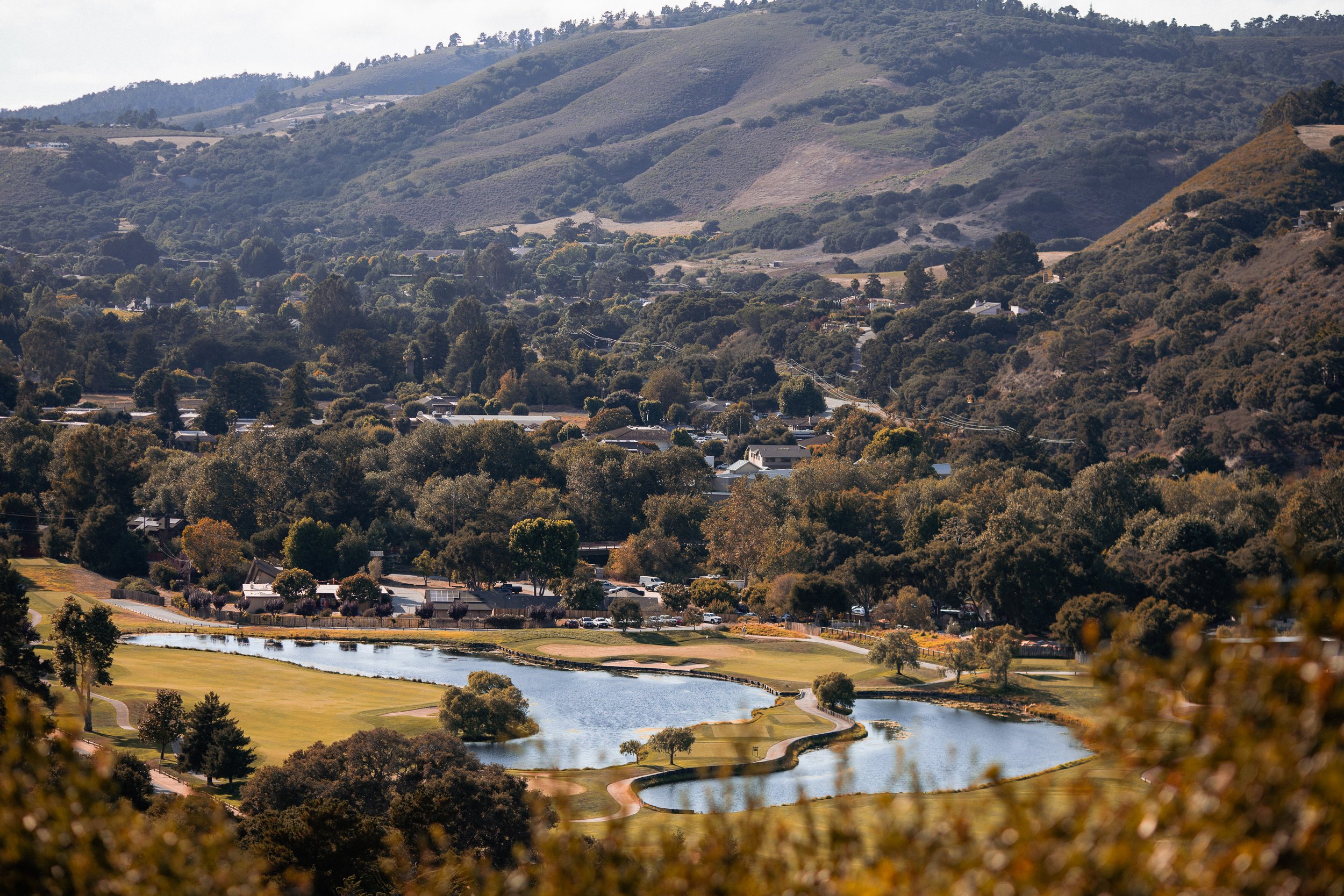
The experience began at Carmel Valley Ranch, away from the most congested parts of Monterey but still close enough to feel the energy building across the peninsula.
Car Week can become sensory overload very quickly. There is always another reveal, another dinner, another auction result and another car passing you on the road that would normally stop traffic. Staying in Carmel Valley gave the trip some breathing room. The mornings felt calm before the itinerary began, and then Cadillac took care of the movement from one experience to the next.
That matters during this particular week. Monterey is not really one event. It is a collection of shows, private houses, auctions, races, dinners and gatherings spread across Carmel, Pebble Beach and the surrounding area. Experiencing it with a brand gives the week a point of view.
Cadillac’s point of view was clear: American luxury does not have to be nostalgic. It can respect its history while still speaking fluently about design, technology and motorsport.
The Cadillac Villa: The Most Stylish Room at Car Week
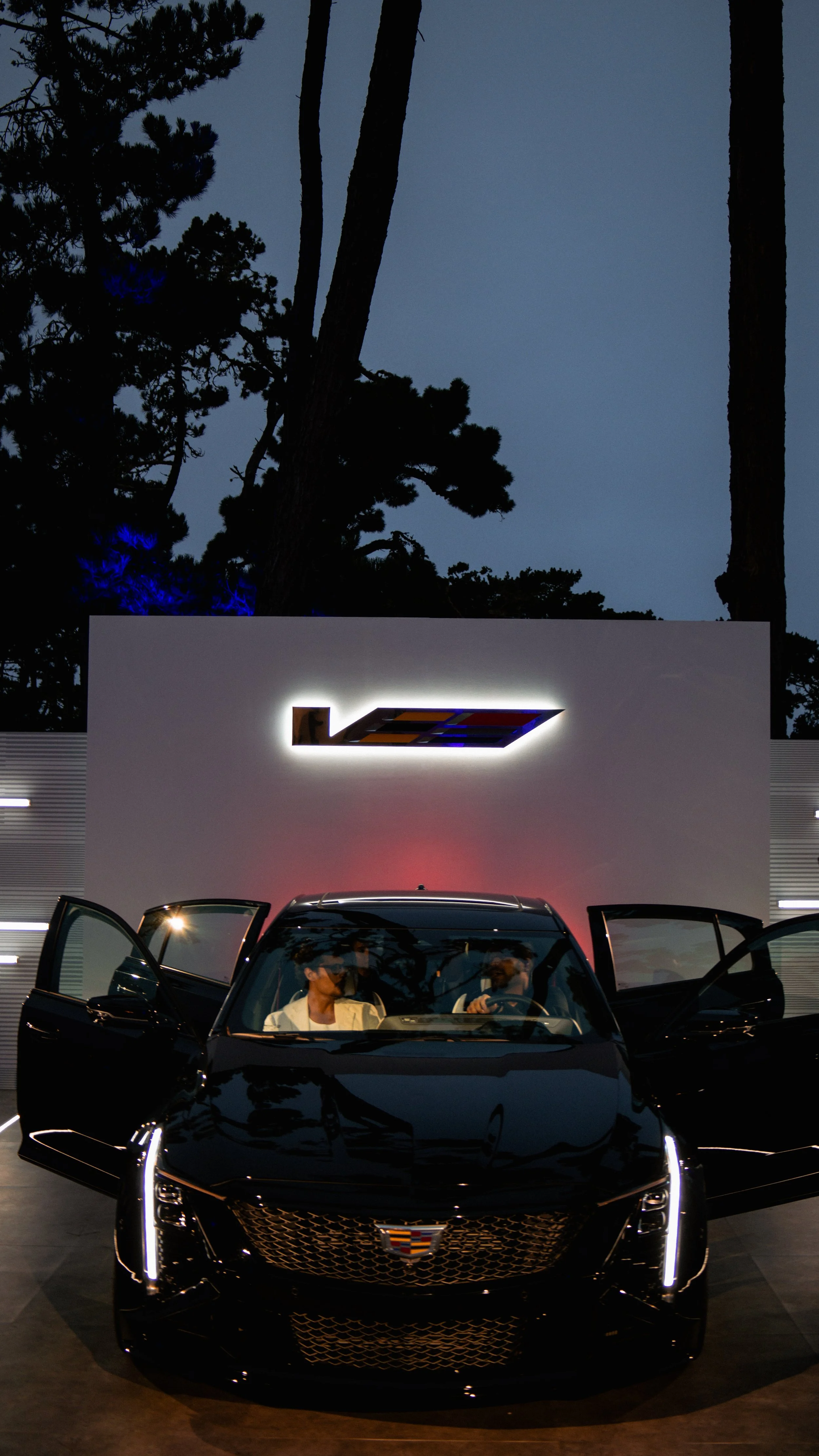
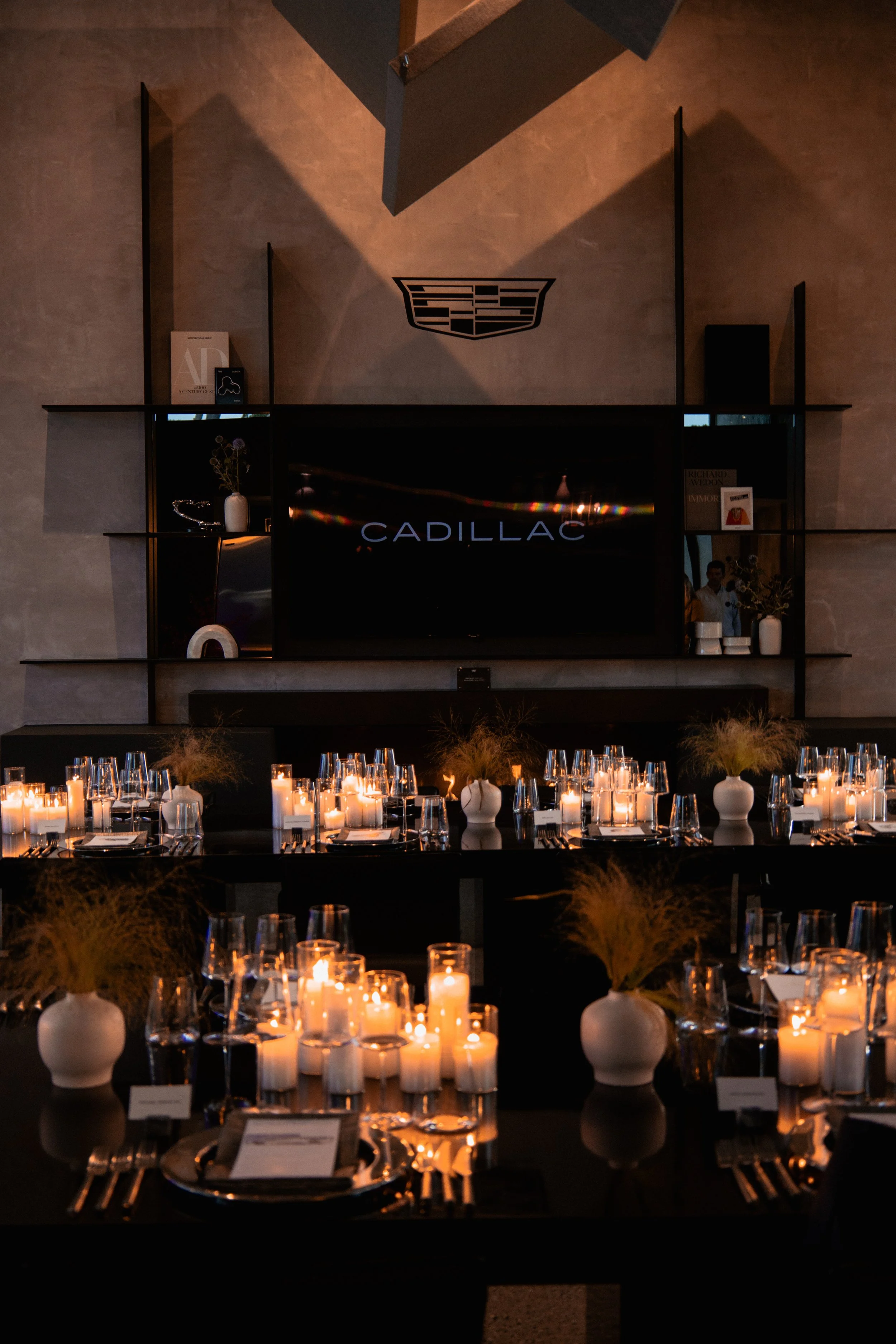
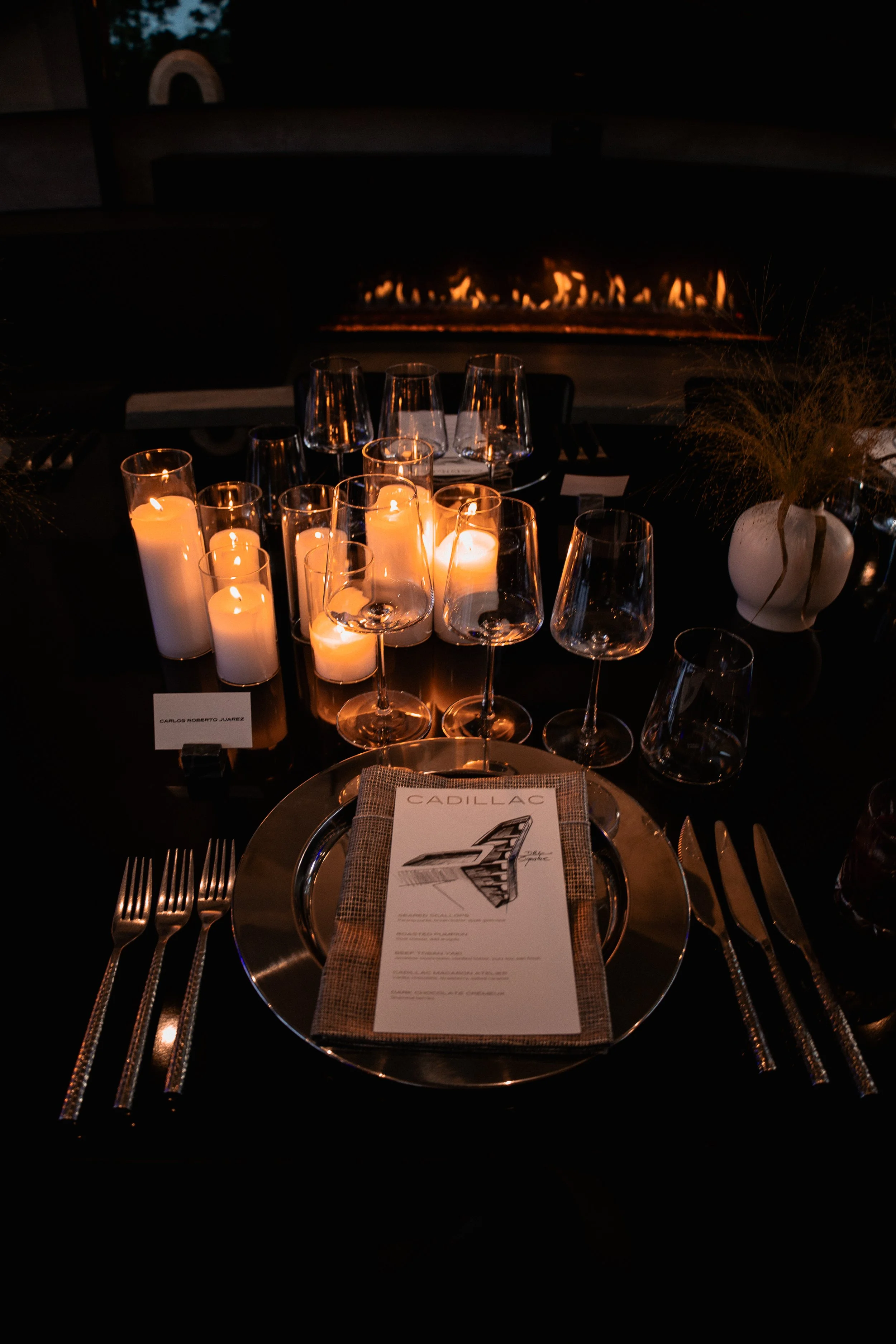
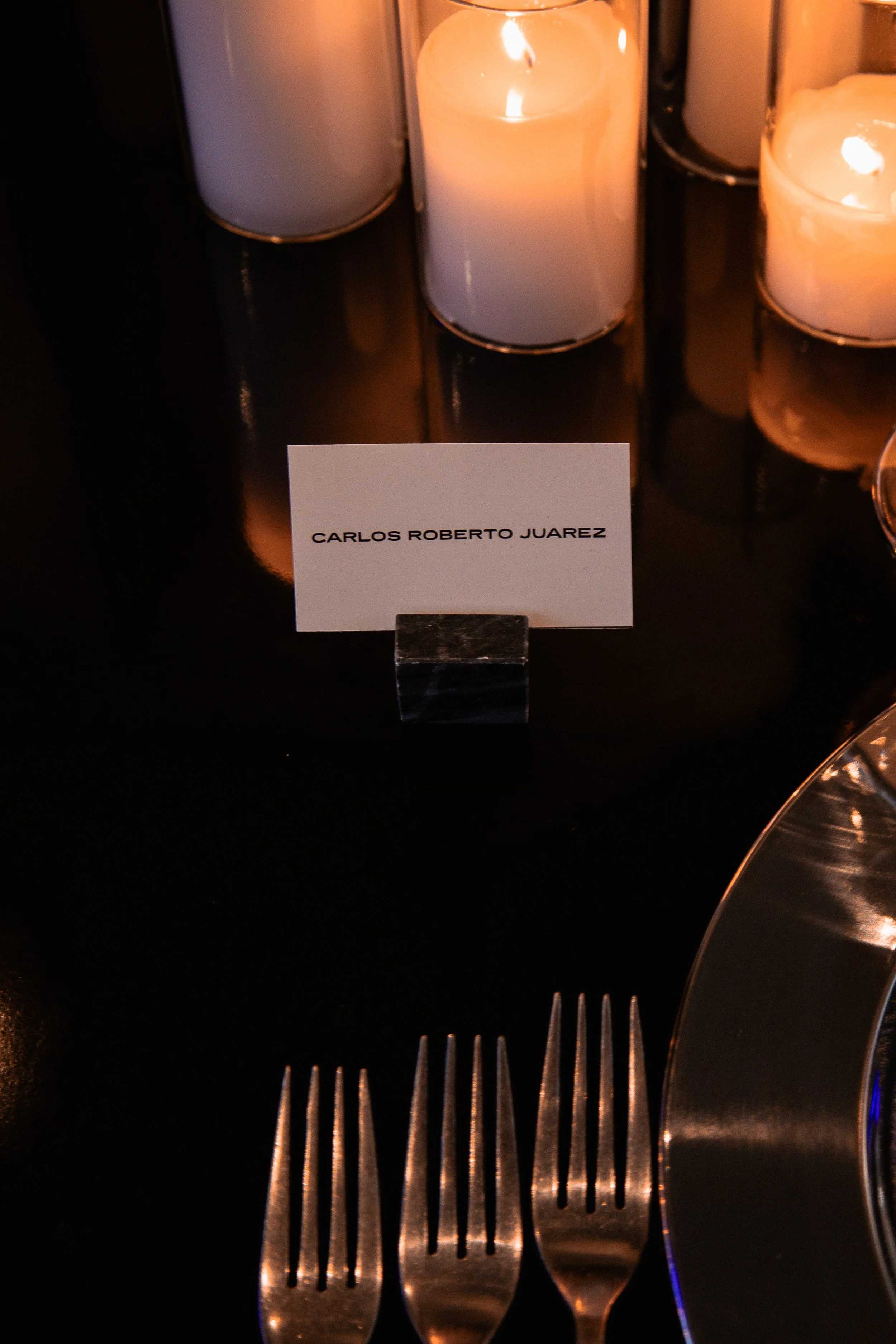
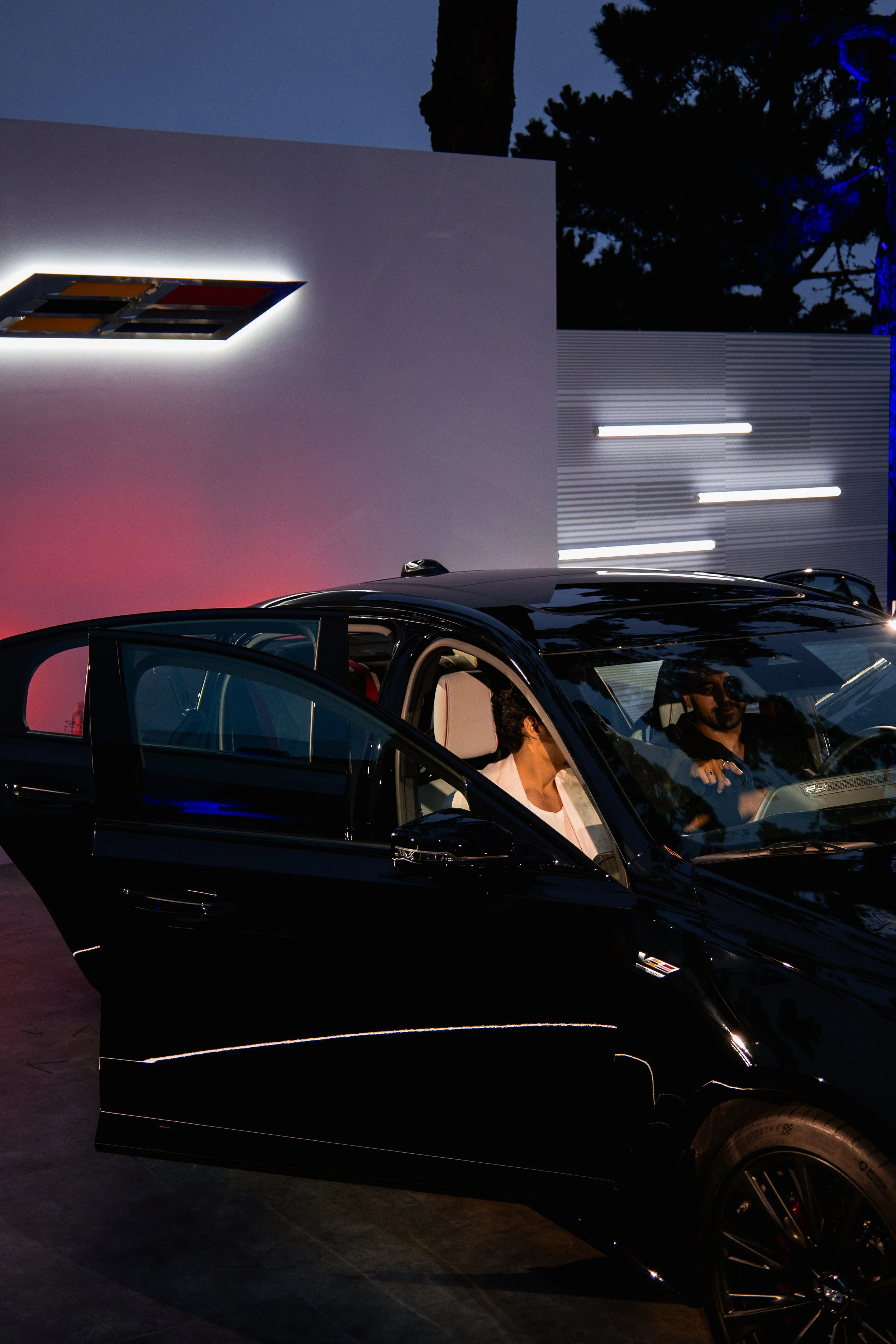
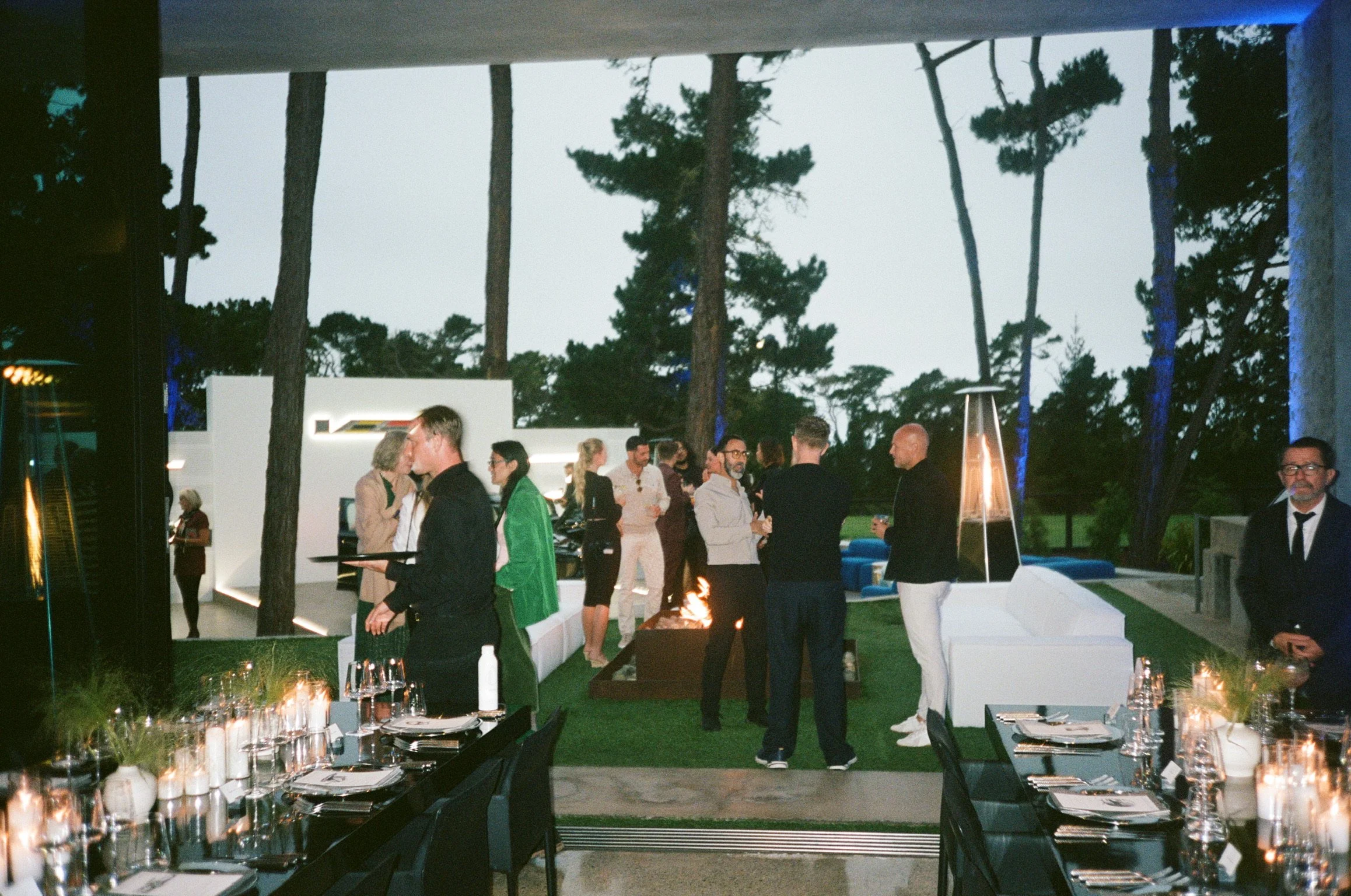
The Cadillac Villa felt less like a conventional automotive display and more like a private salon built around the brand’s world.
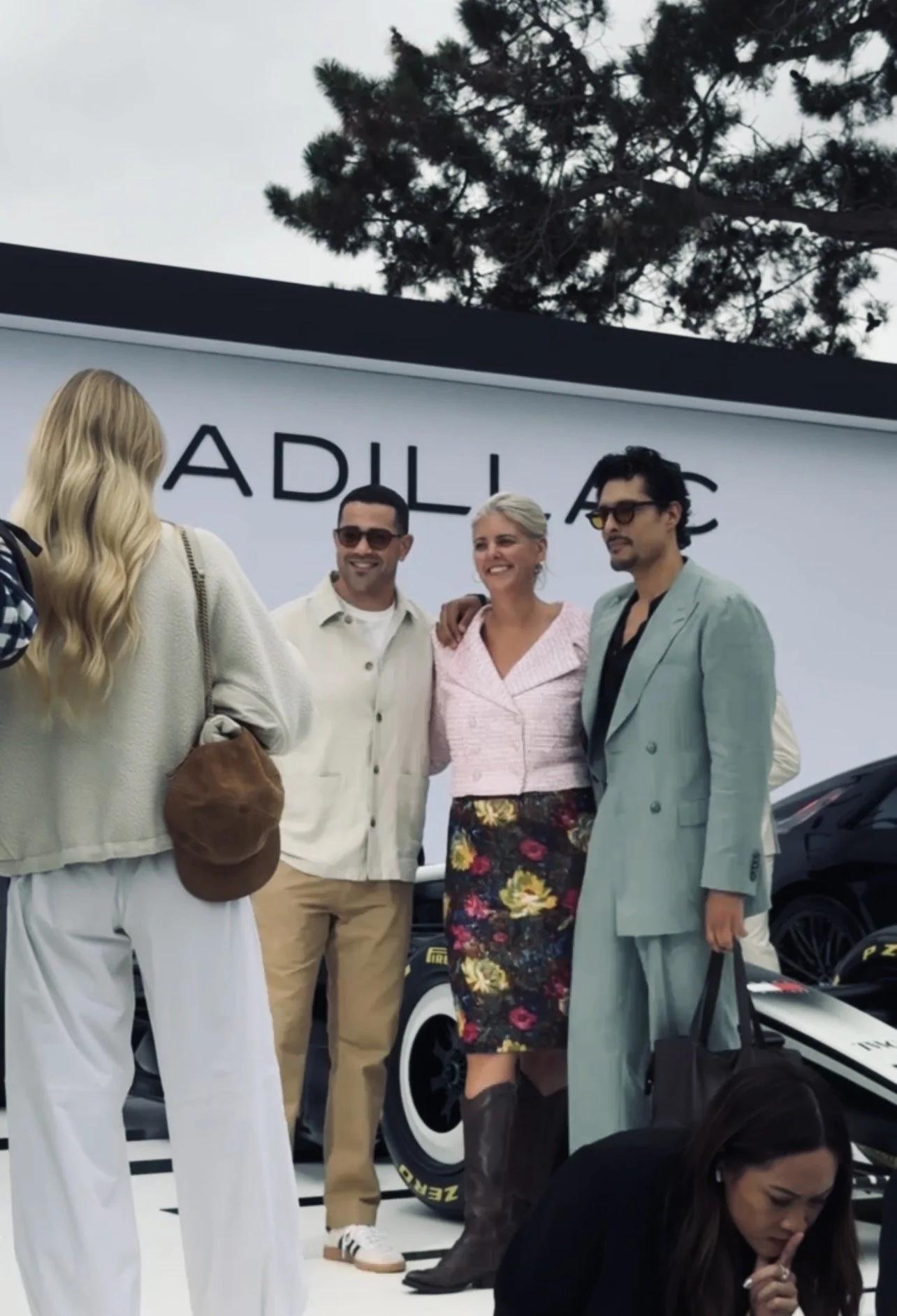
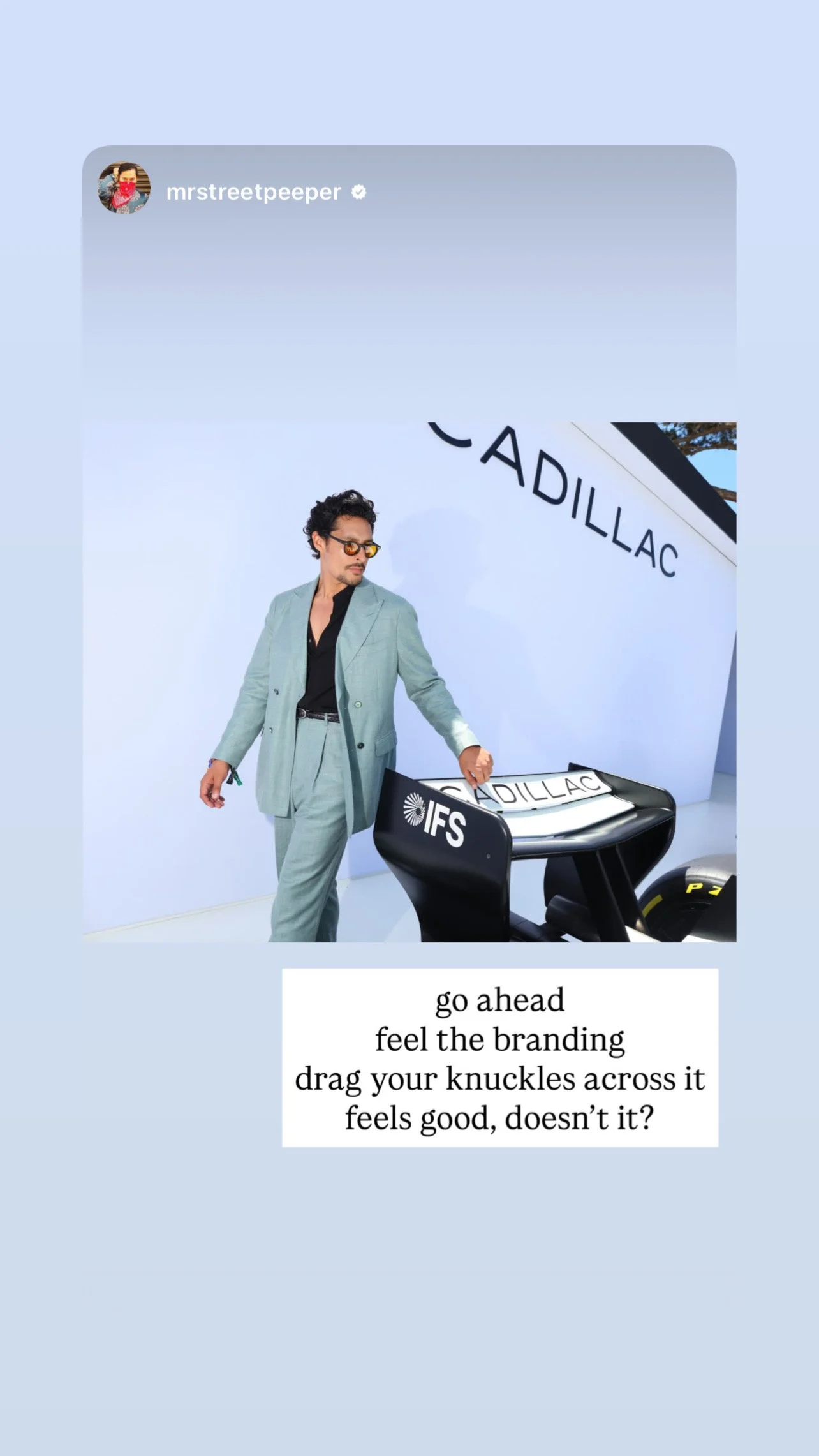
What stood out to me was not only the cars. It was the atmosphere around them. Cadillac brought together designers, executives, drivers, collectors, creators and guests who seemed to understand that automobiles and personal style have always shared the same language.
Both are about proportion. Both are about materials. Both are about the details someone notices before they can necessarily explain why the object feels right.
If Car Week gave an award for the best-dressed group, Cadillac would have been difficult to beat. The room had an ease to it: tailoring without stiffness, polished shoes, considered watches and people who looked appropriate beside the cars without appearing as though they had dressed for a costume party.
That distinction matters to me. The most convincing form of luxury is rarely the loudest. It is usually the most assured.
Cadillac understood that balance throughout the week. Its presence felt refined, but never disconnected from performance. That became particularly clear when the conversation moved toward racing.
Cadillac’s Formula 1 Era Becomes Real
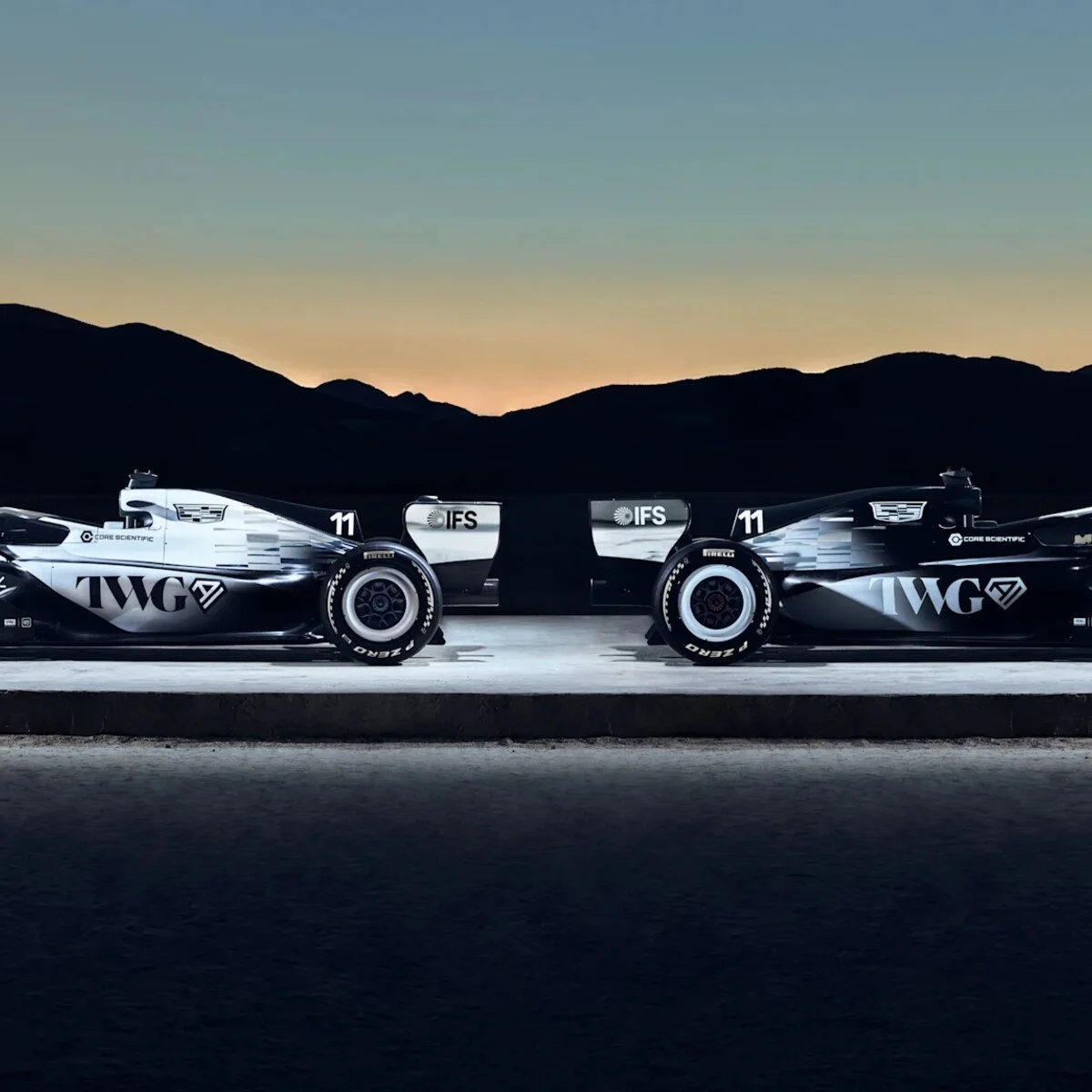
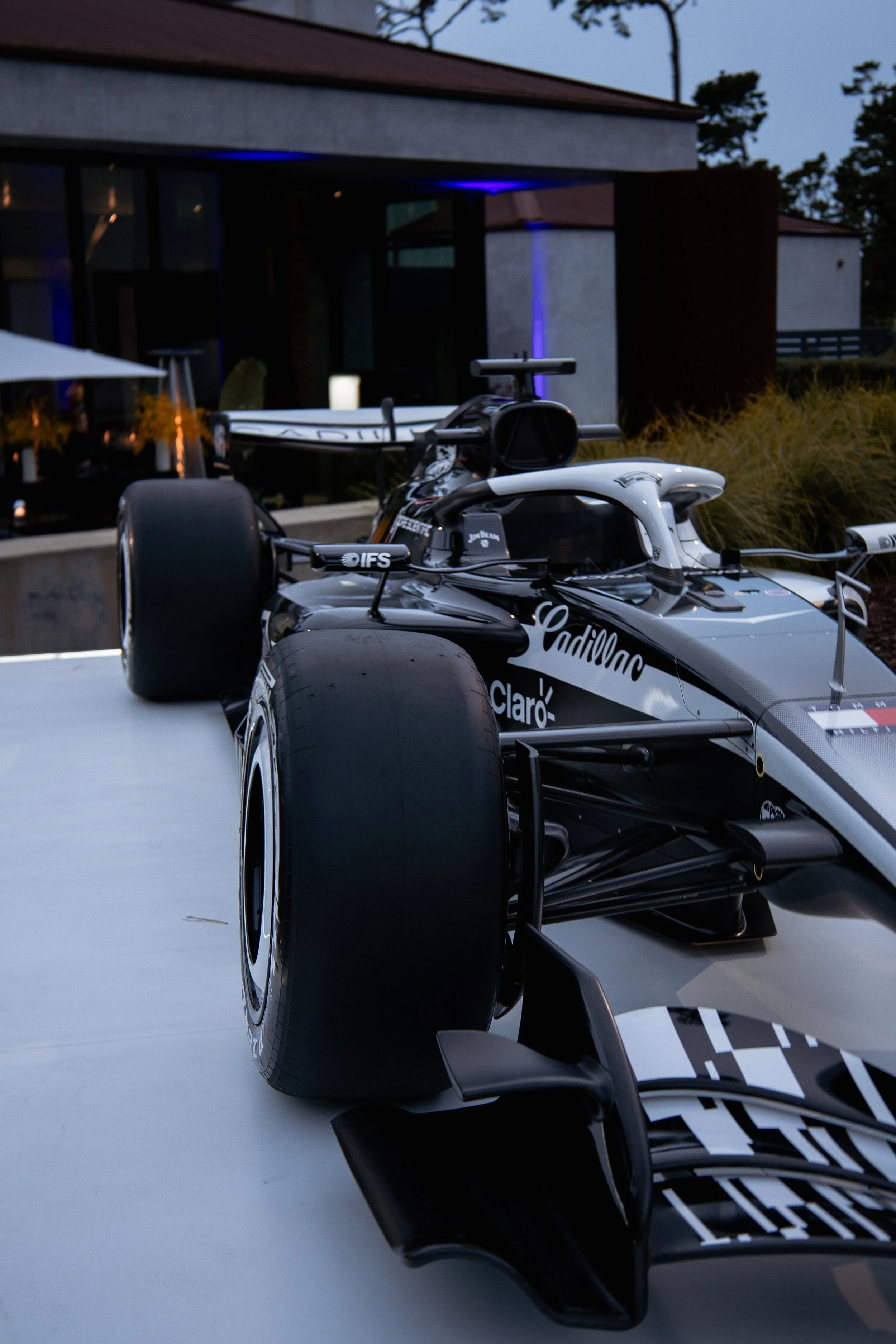
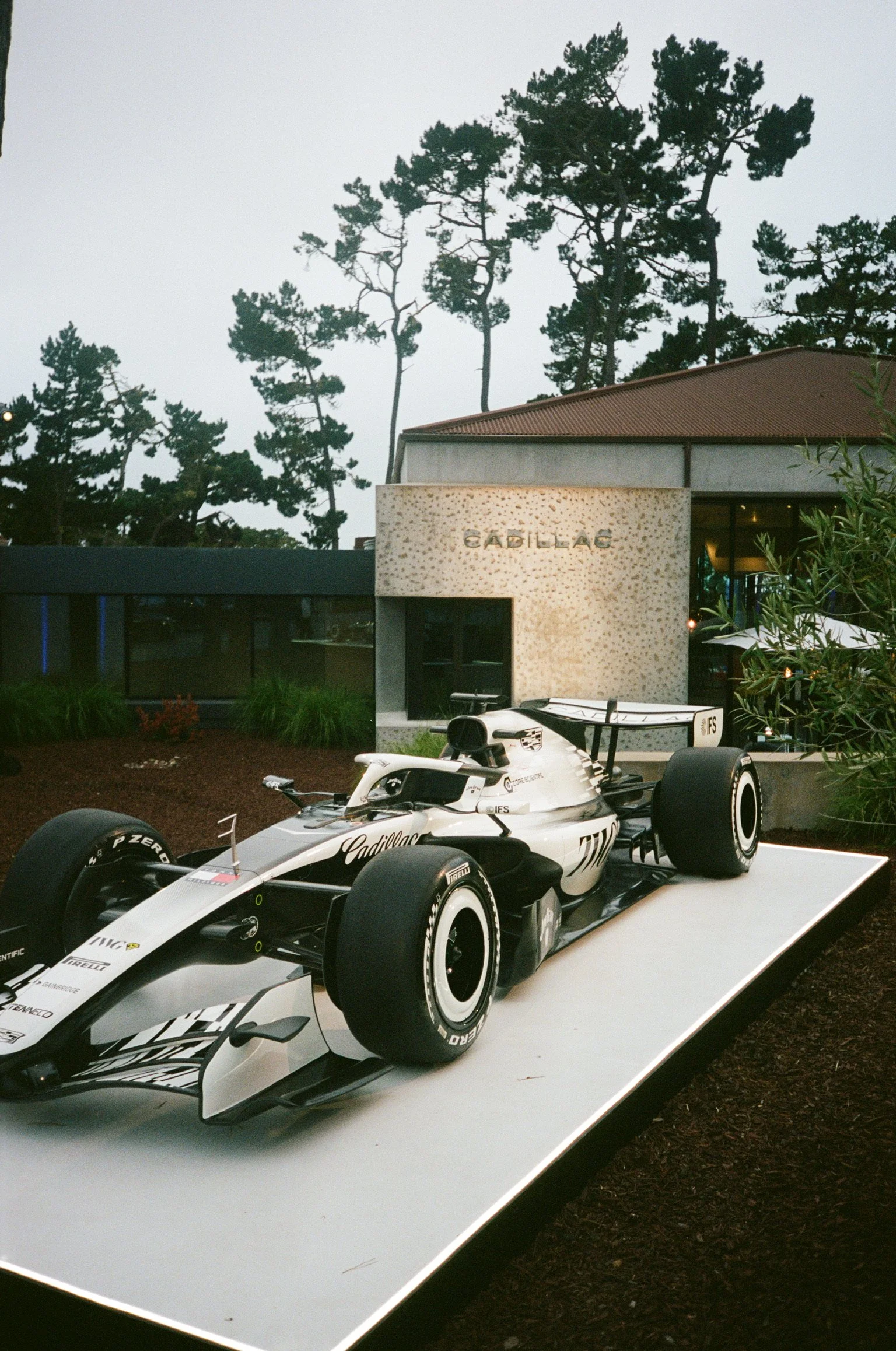
Seeing Cadillac’s Formula 1 car in this environment made the brand’s move into F1 feel more tangible.
Cadillac joined the 2026 Formula 1 grid as the championship’s 11th team. Its debut livery was unveiled earlier in the year, with Valtteri Bottas and Sergio Pérez leading the team’s first campaign. Seeing the car up close at Car Week connected that global racing project to Cadillac’s larger design story.
Formula 1 cars are difficult to understand through a screen. In person, the scale is almost strange. The bodywork is incredibly narrow in some places and deeply sculpted in others. Every visible surface seems to exist for a reason. Even standing still, the car communicates speed.
For Cadillac, the importance reaches beyond simply appearing on a Formula 1 grid. F1 gives the brand a global stage where engineering, image and culture all meet. It introduces Cadillac to audiences who may know the crest but have never considered the company through the lens of modern international motorsport.
At Monterey, surrounded by some of the most important cars ever built, the F1 car did not feel like an interruption. It felt like Cadillac placing a marker for its next chapter.
The Cadillac V-ONE: A Race Car Reimagined for One Driver
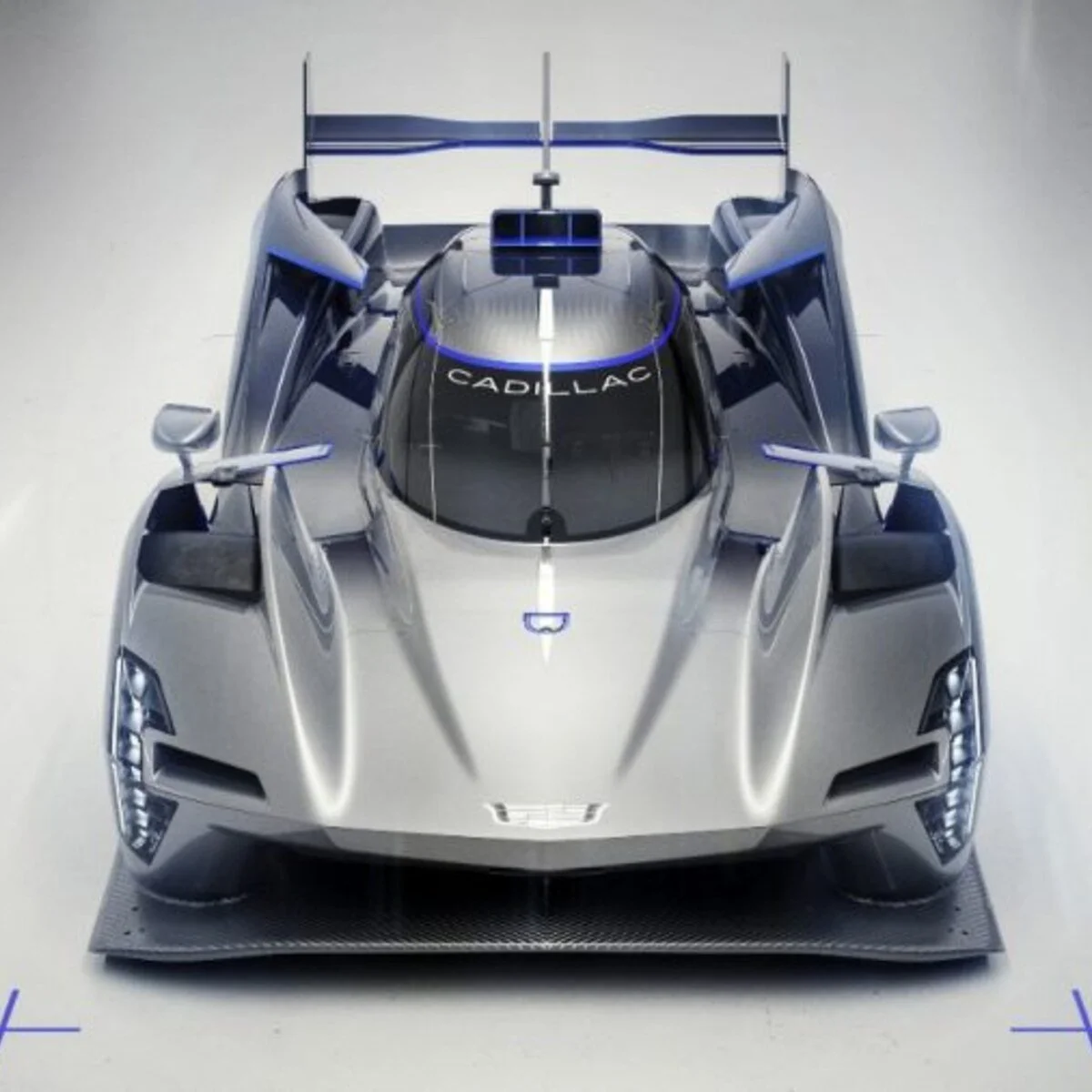
Cadillac also used Monterey to reveal the V-ONE Concept, and it may have been the clearest expression of the brand’s current ambition.
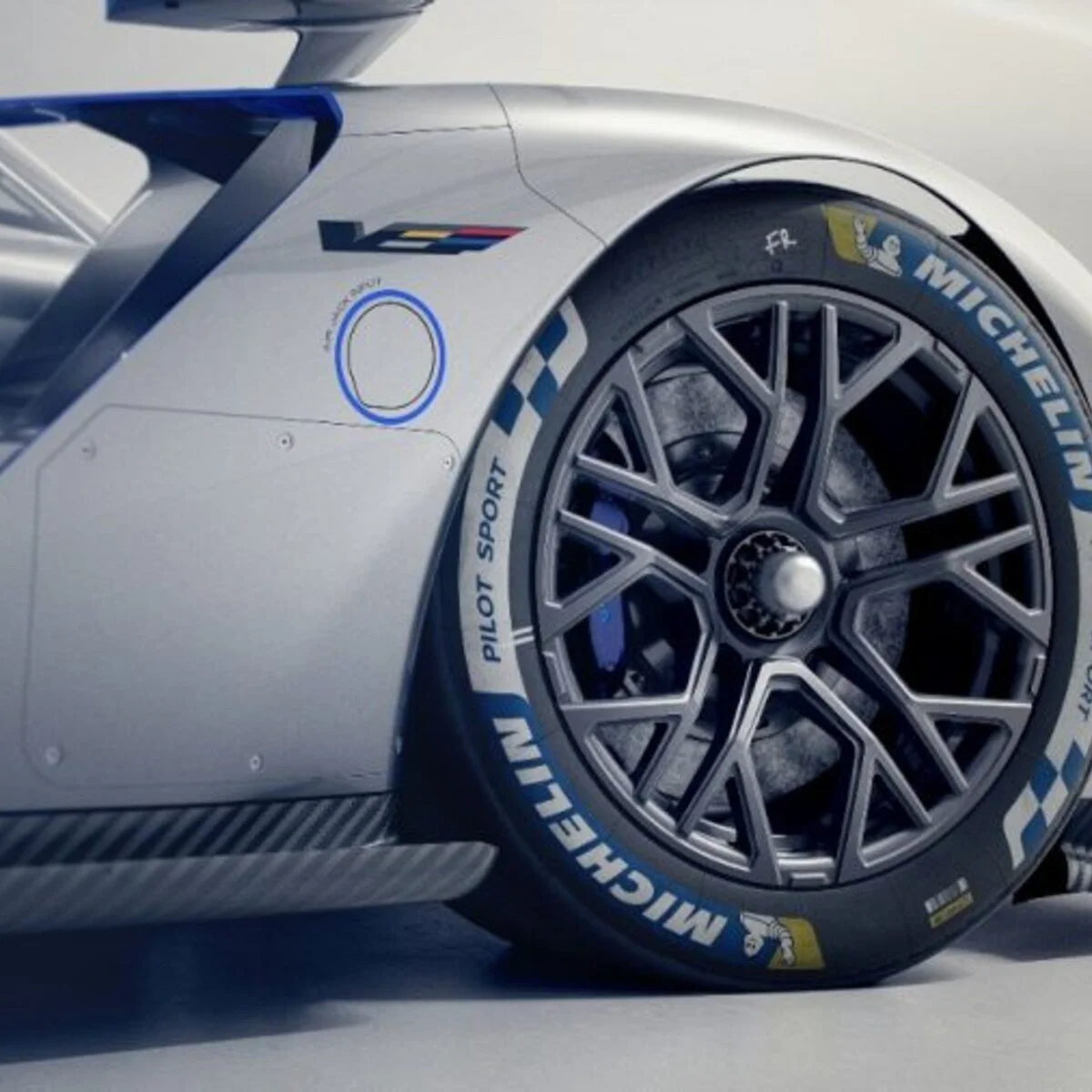
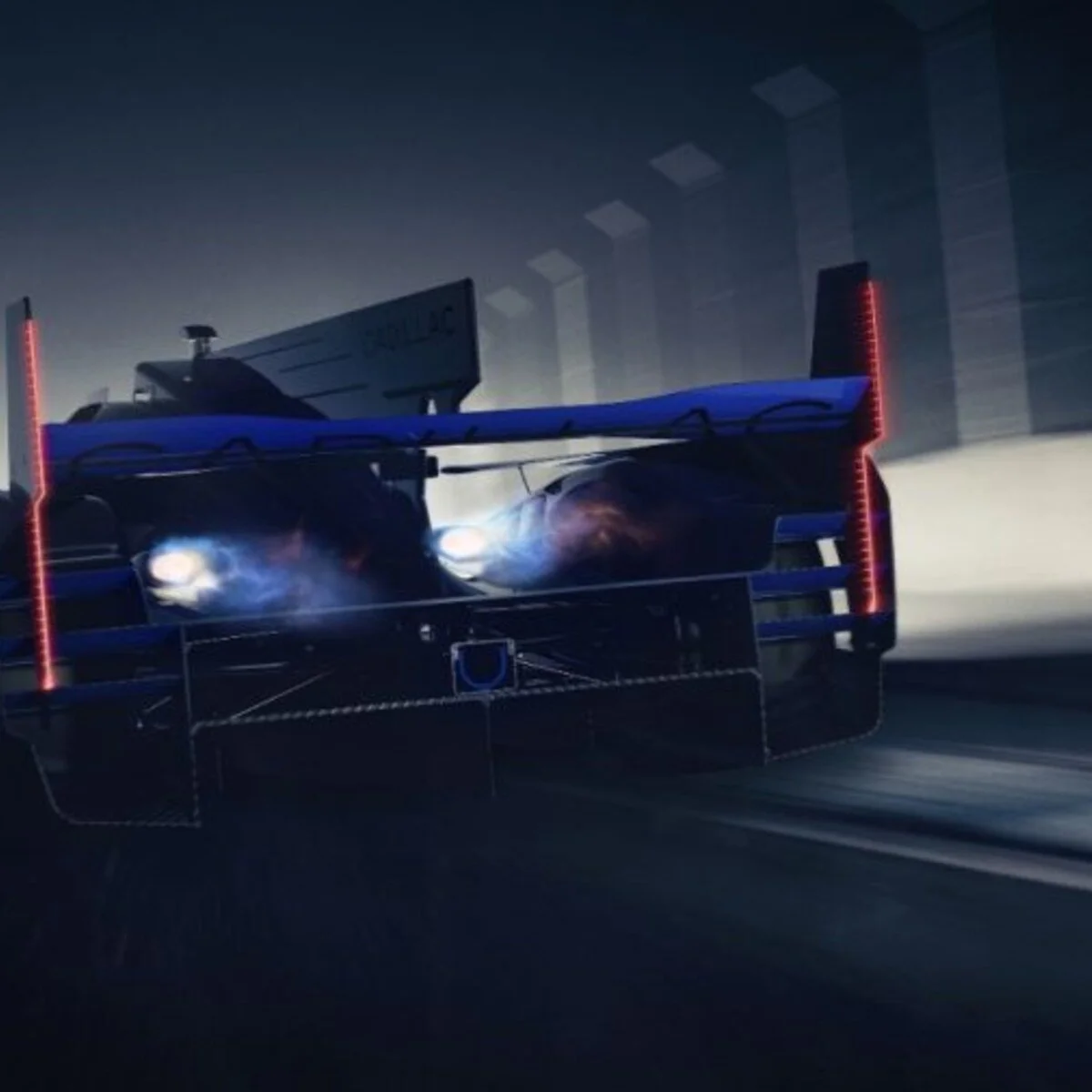
The V-ONE takes its foundations from the Cadillac V-Series.R endurance race car and translates them into a one-seat, customer-focused track concept. Cadillac Design, Cadillac Racing and Dallara developed it together, and the relationship to the competition car is more than visual.
The concept uses a hybrid V-8 powertrain producing a combined 830 horsepower. It also shares elements of its suspension, transmission and electronics with the V-Series.R. The result is not simply a road car dressed to resemble a race car. It is competition hardware reconsidered as a highly personal Cadillac experience.
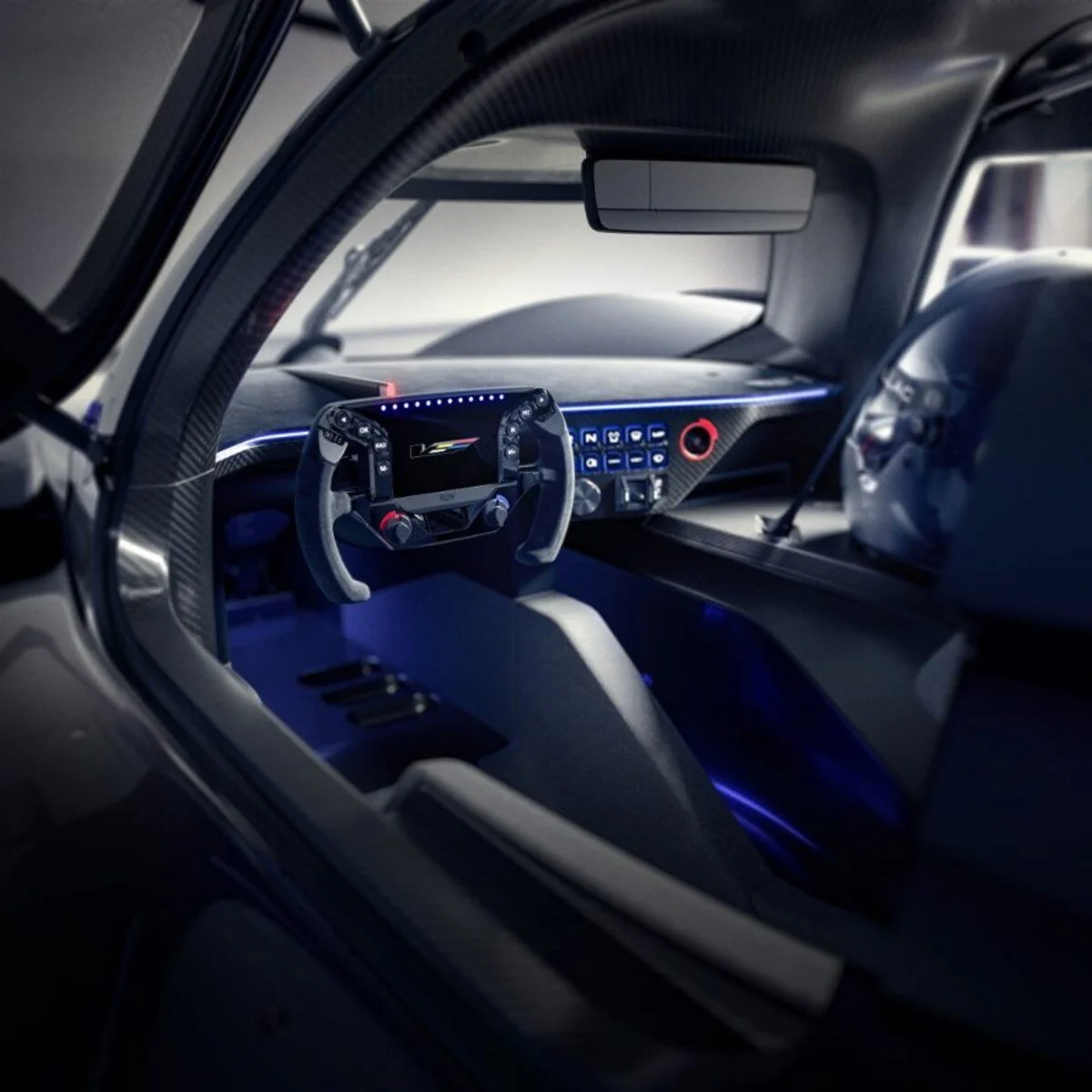
The details are what make it especially interesting. Its paint transitions from silver into deep navy, referencing the movement from daylight into darkness during an endurance race. The cockpit is built for one person, with a seat tailored to the driver and controls that can be personalized.
That is a compelling idea of modern luxury: not adding ornament, but creating something around one individual.
The V-ONE was displayed at The Quail, where it sat naturally among the week’s most anticipated debuts. It also represented a larger shift for Cadillac. The brand is not treating motorsport as a graphic package or a heritage reference. It is using racing as an engineering foundation.
The Quail: Where Car Week Becomes Theater
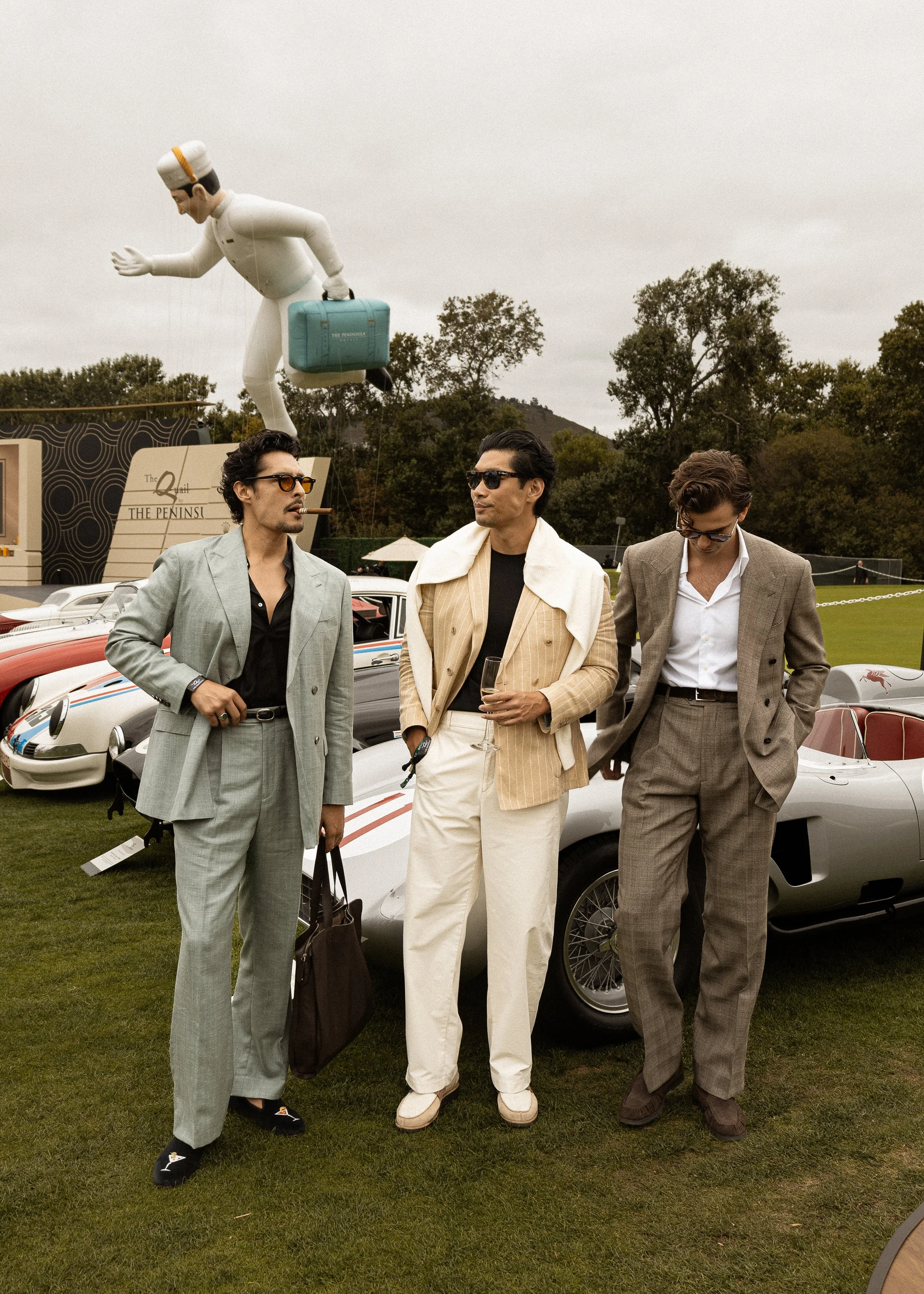
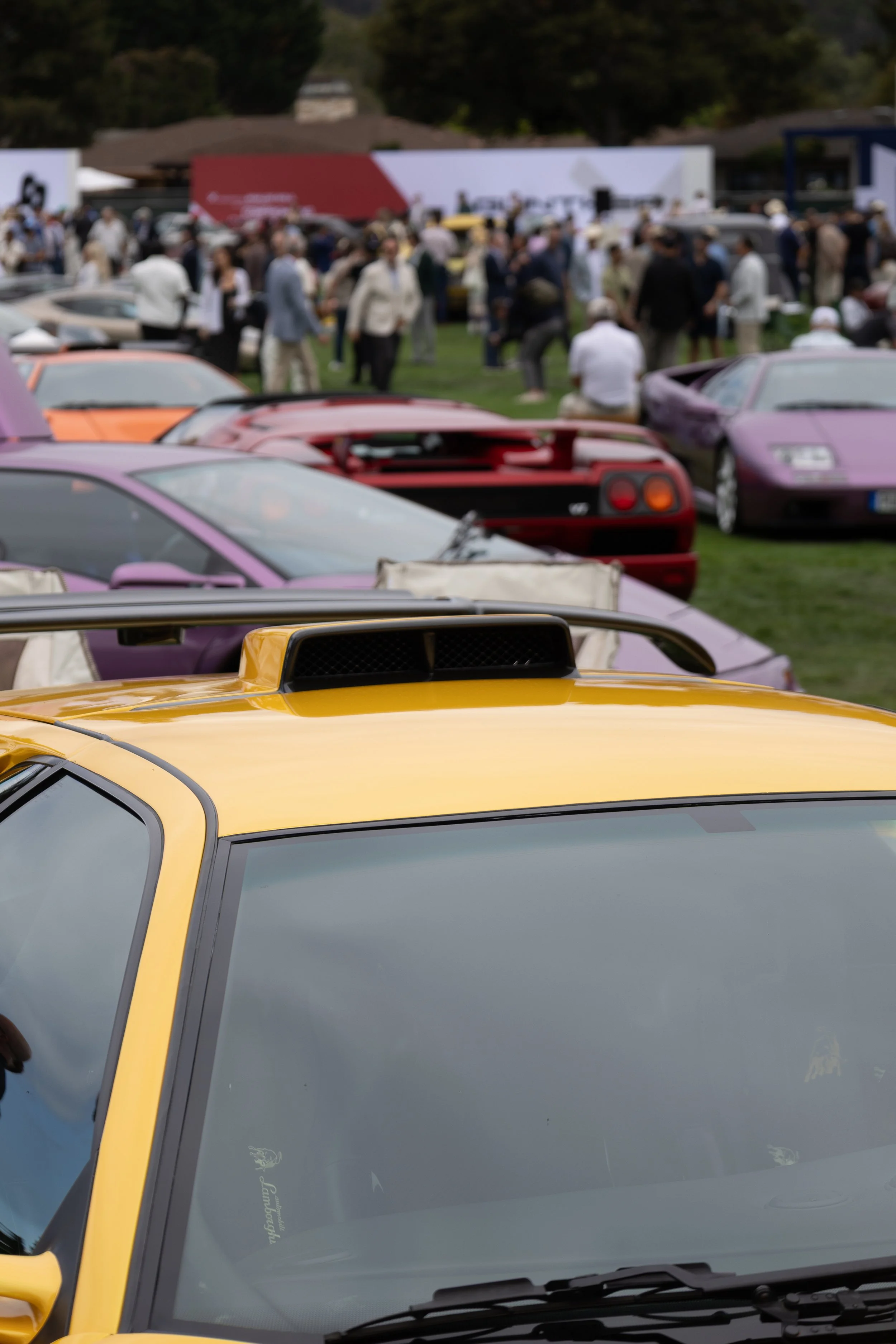
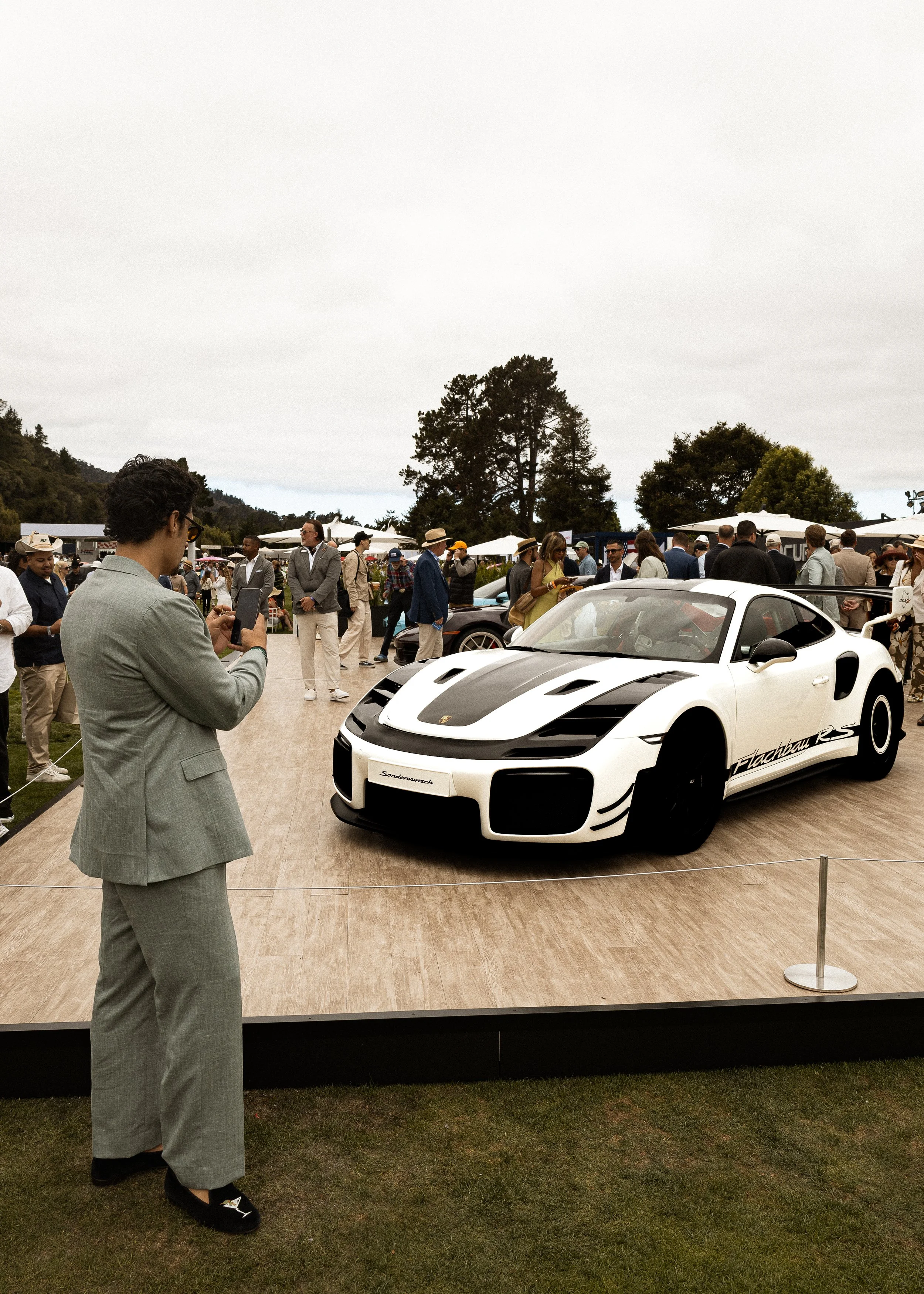
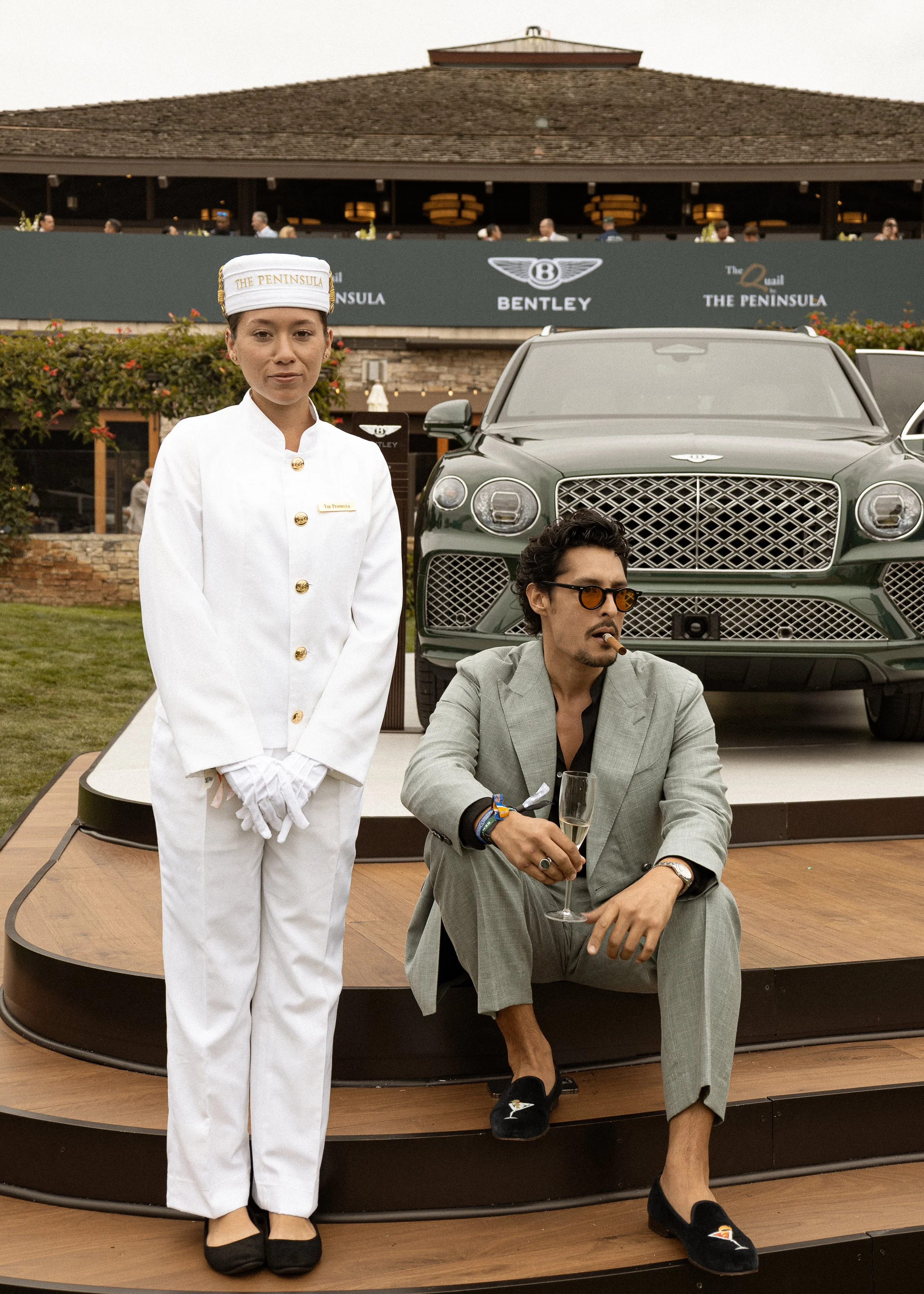
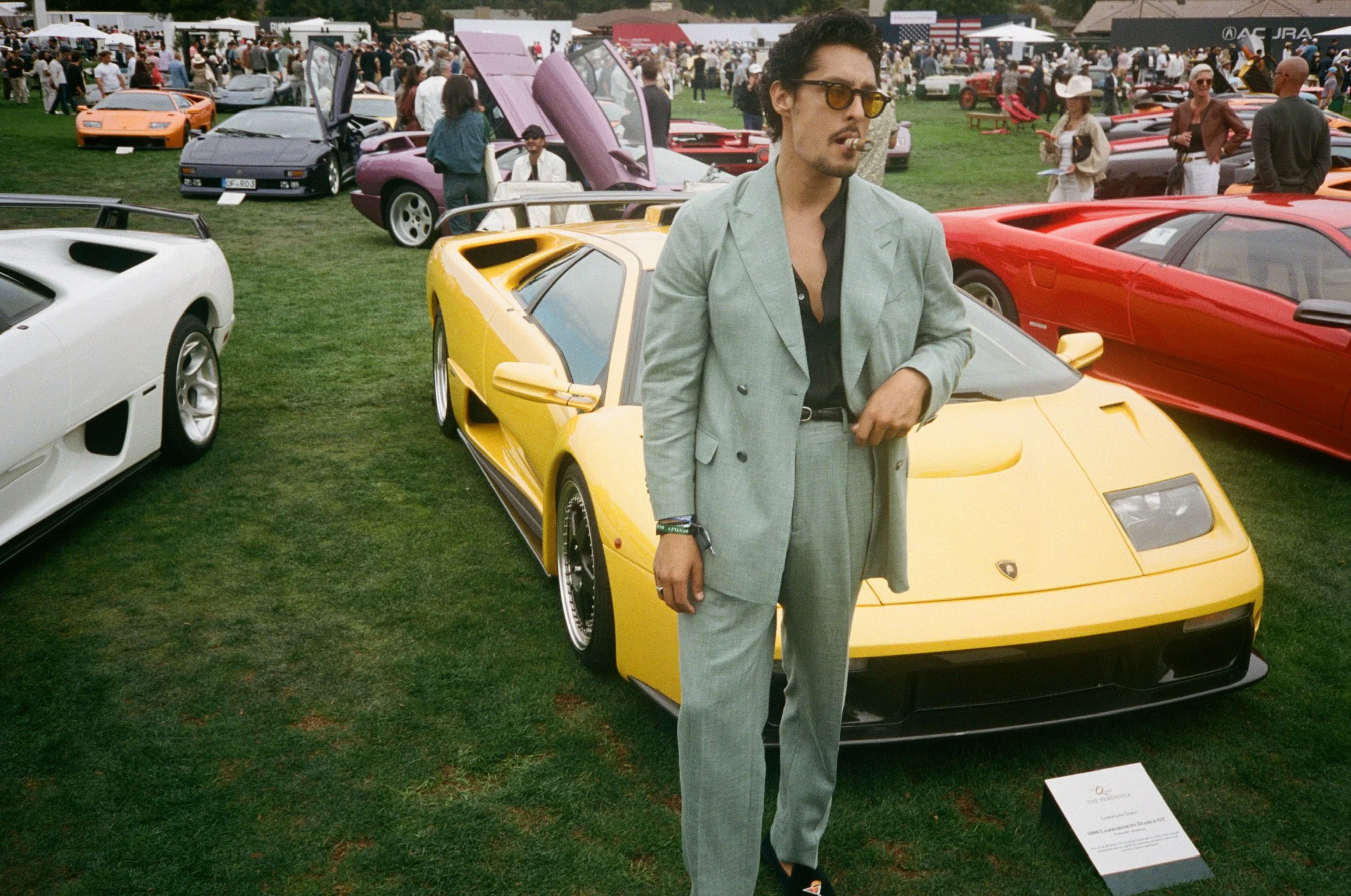
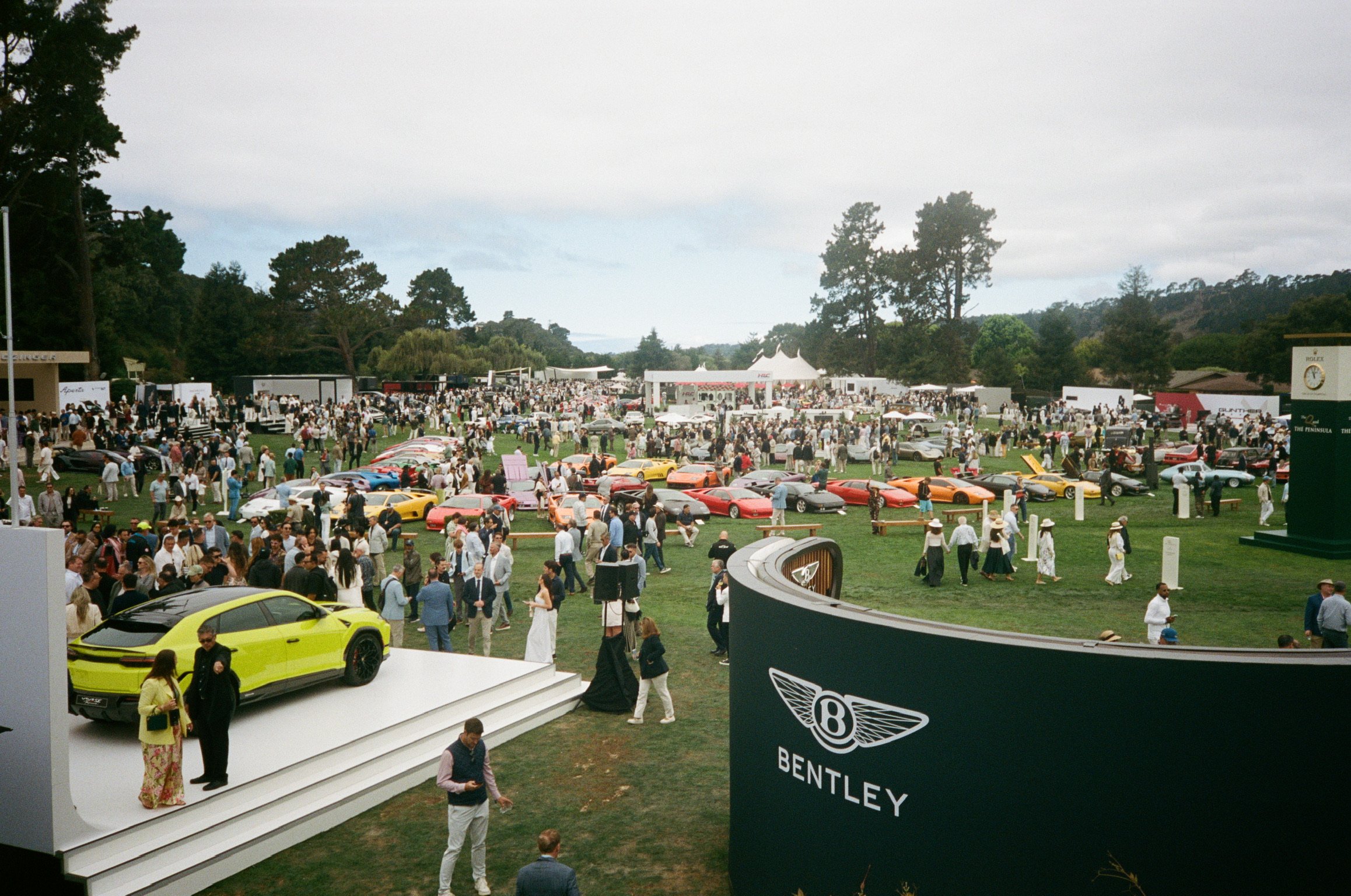
The Quail, A Motorsports Gathering is where the modern side of Car Week becomes most visible.
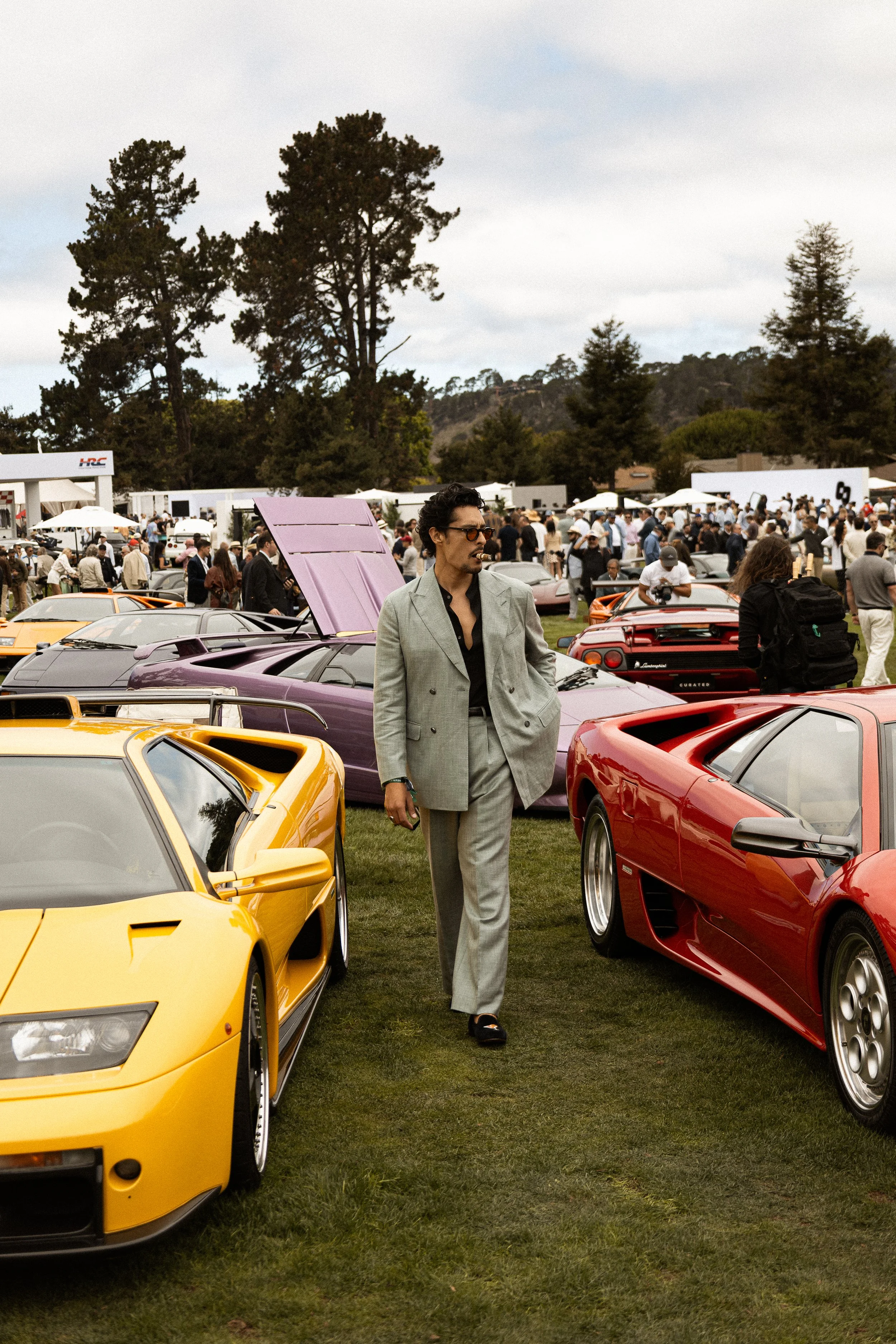
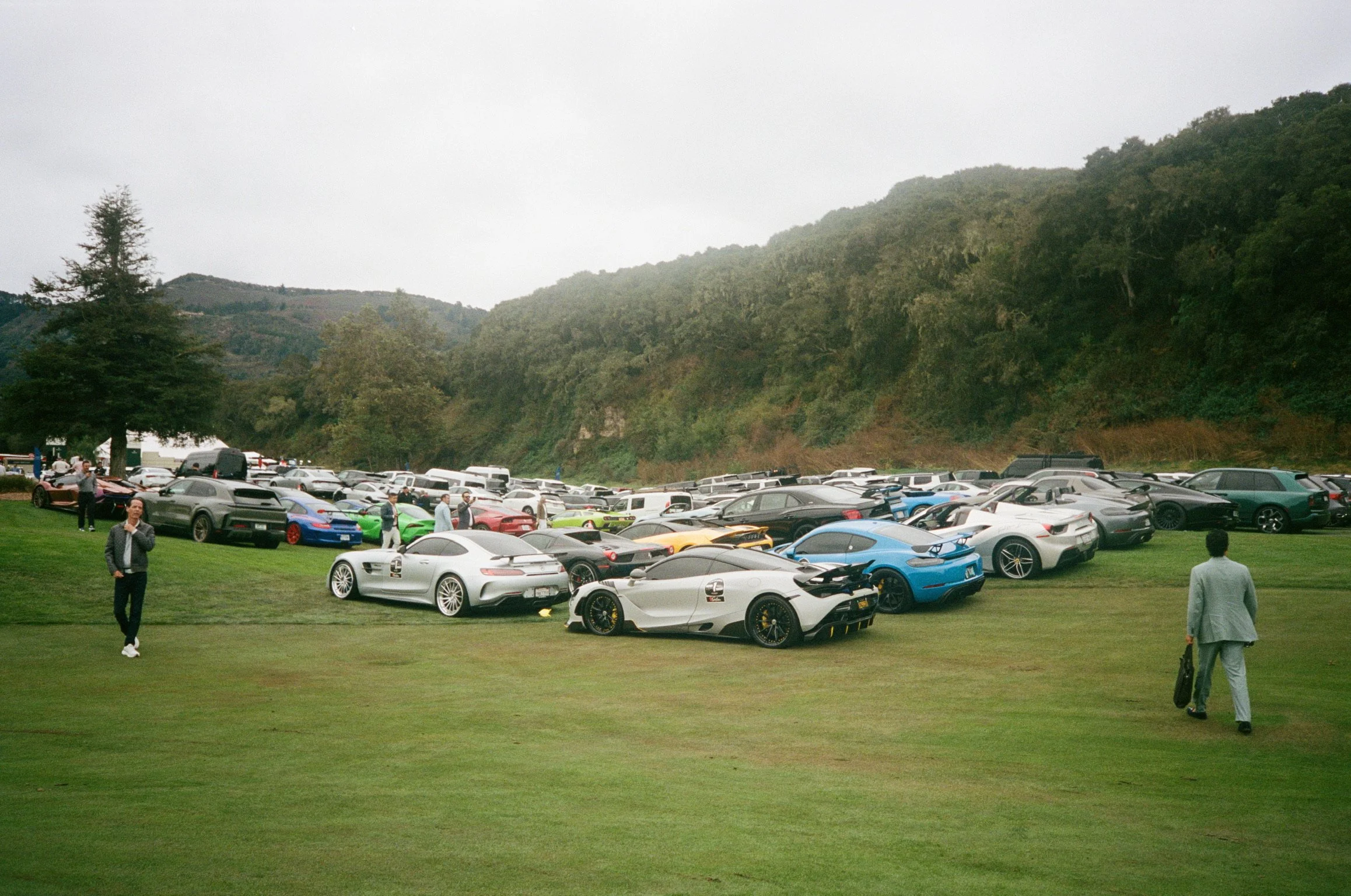
The setting is a golf course, but the experience feels closer to an open-air luxury salon. Manufacturers reveal new cars. Collectors display significant machines. Champagne moves almost as quickly as the conversations. Everywhere you turn, there is something engineered to pull your attention in another direction.
What I appreciate about The Quail is the juxtaposition. A historic competition car can sit within walking distance of a concept that has not yet entered production. You can examine craftsmanship from several decades in one afternoon without the event feeling like a museum.
It is also one of the most social parts of the week. People are not only studying cars; they are studying each other. Watches, tailoring and automobiles become part of the same visual conversation.
That is why The Quail makes sense for the kind of content I create. Cars and clothing may appear to be separate interests, but both reveal taste through choices. The person wearing an unstructured jacket with suede loafers may approach a car very differently from the person in technical sportswear and a motorsport chronograph.
At The Quail, you can see all of those worlds occupying the same lawn.
The $40 Million Ferrari Was a Luce, Not a Lusso
Away from the lawns, the auction houses were producing their own theater.
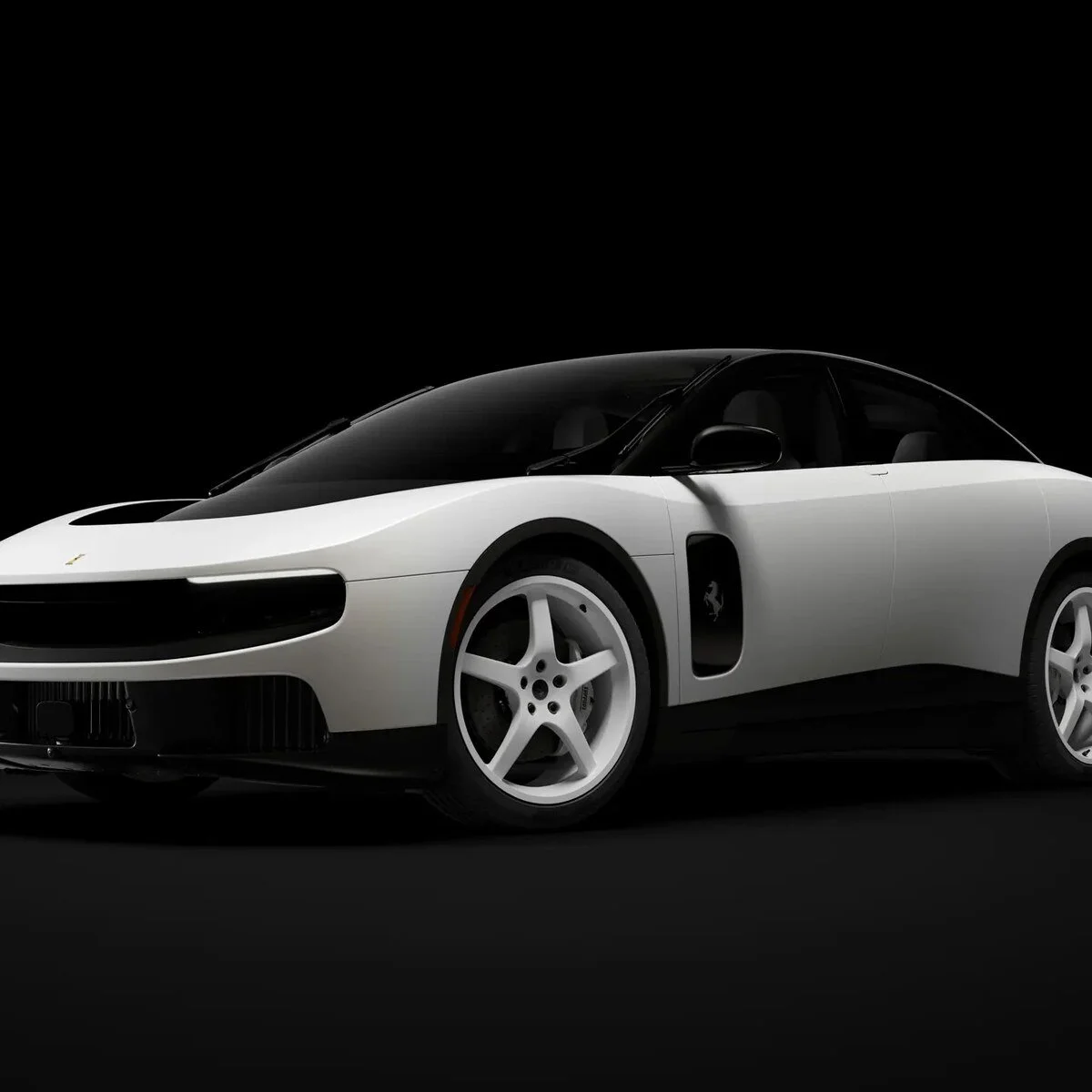
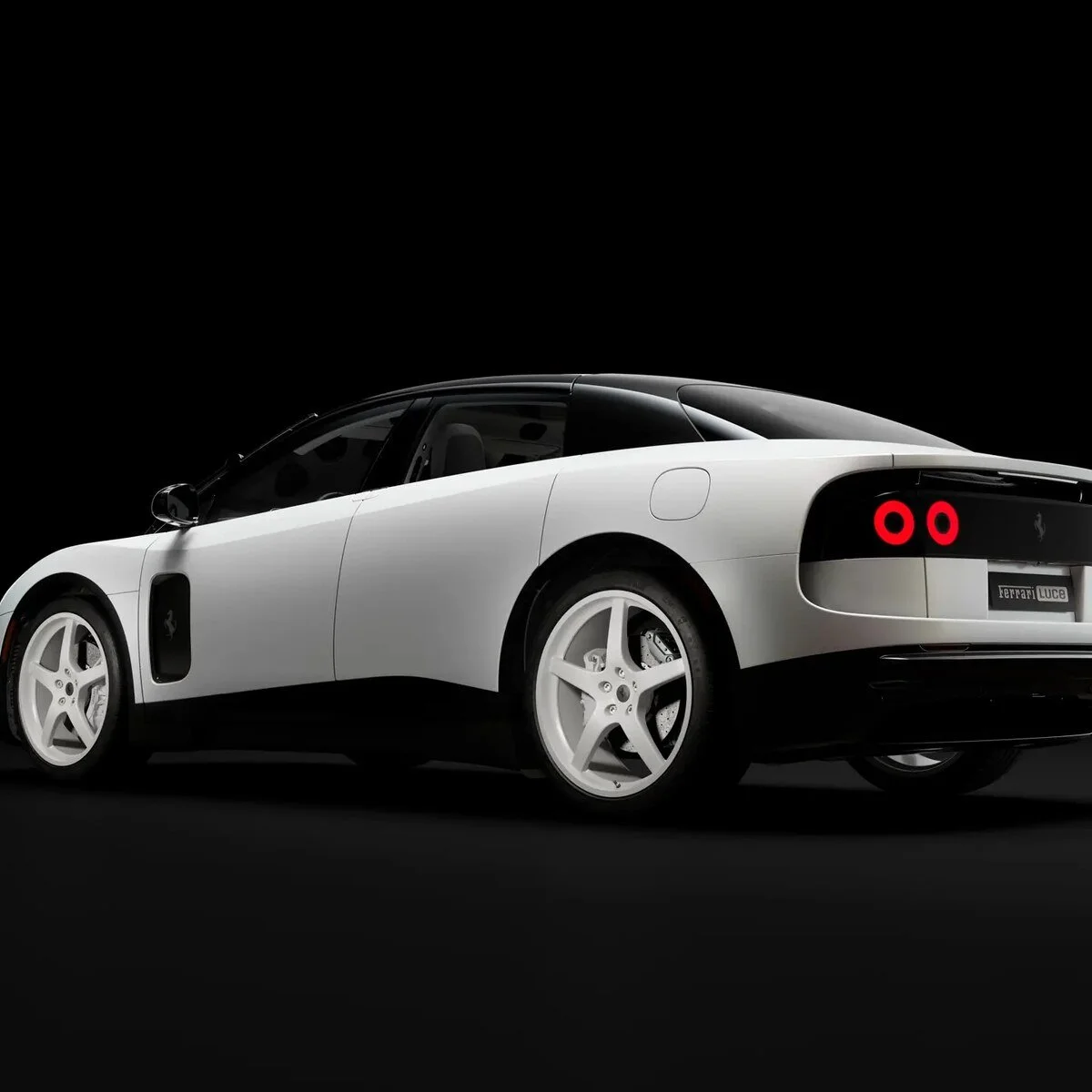
One result dominated the conversation: a 2026 Ferrari Luce “Tailor Made” sold through RM Sotheby’s for $40 million.
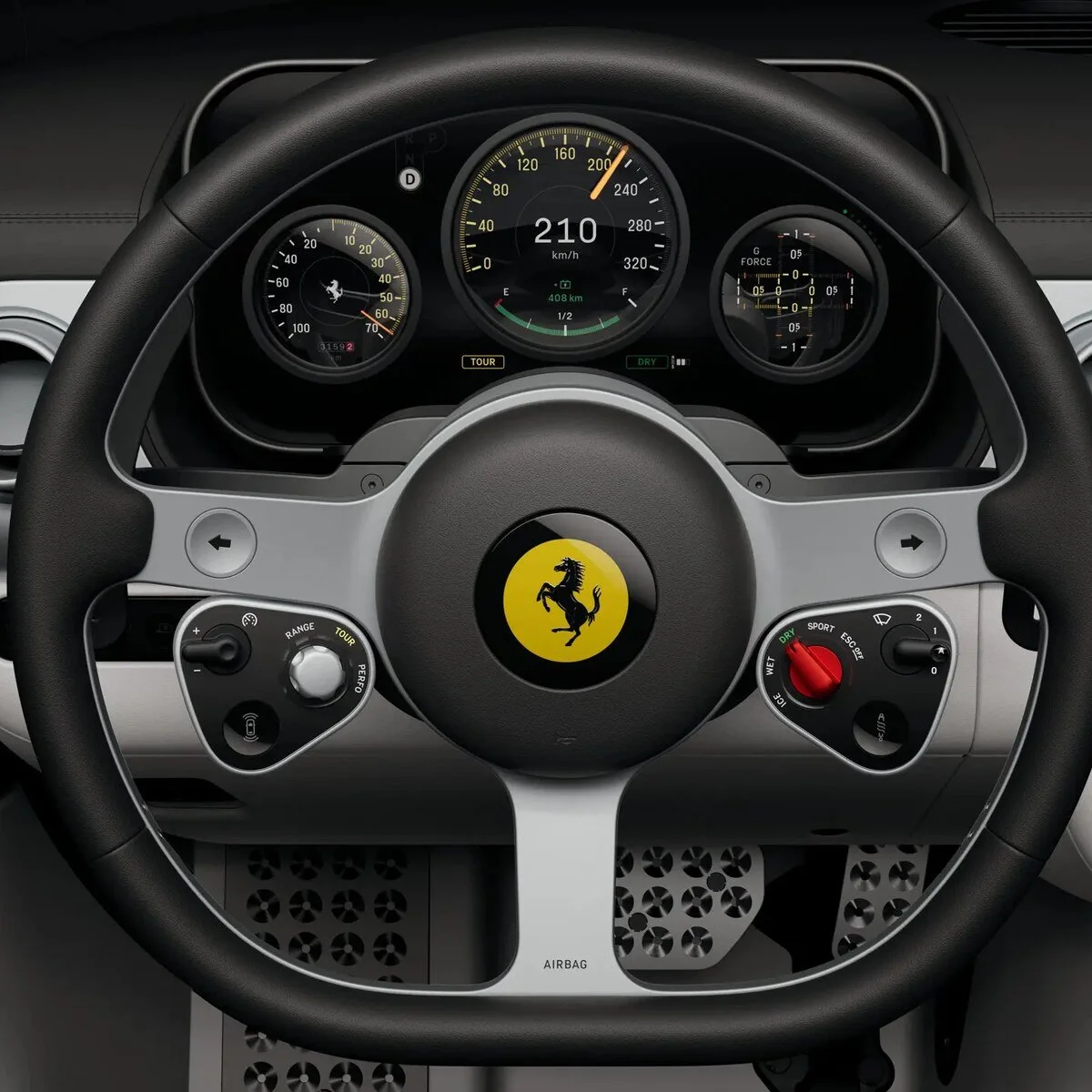
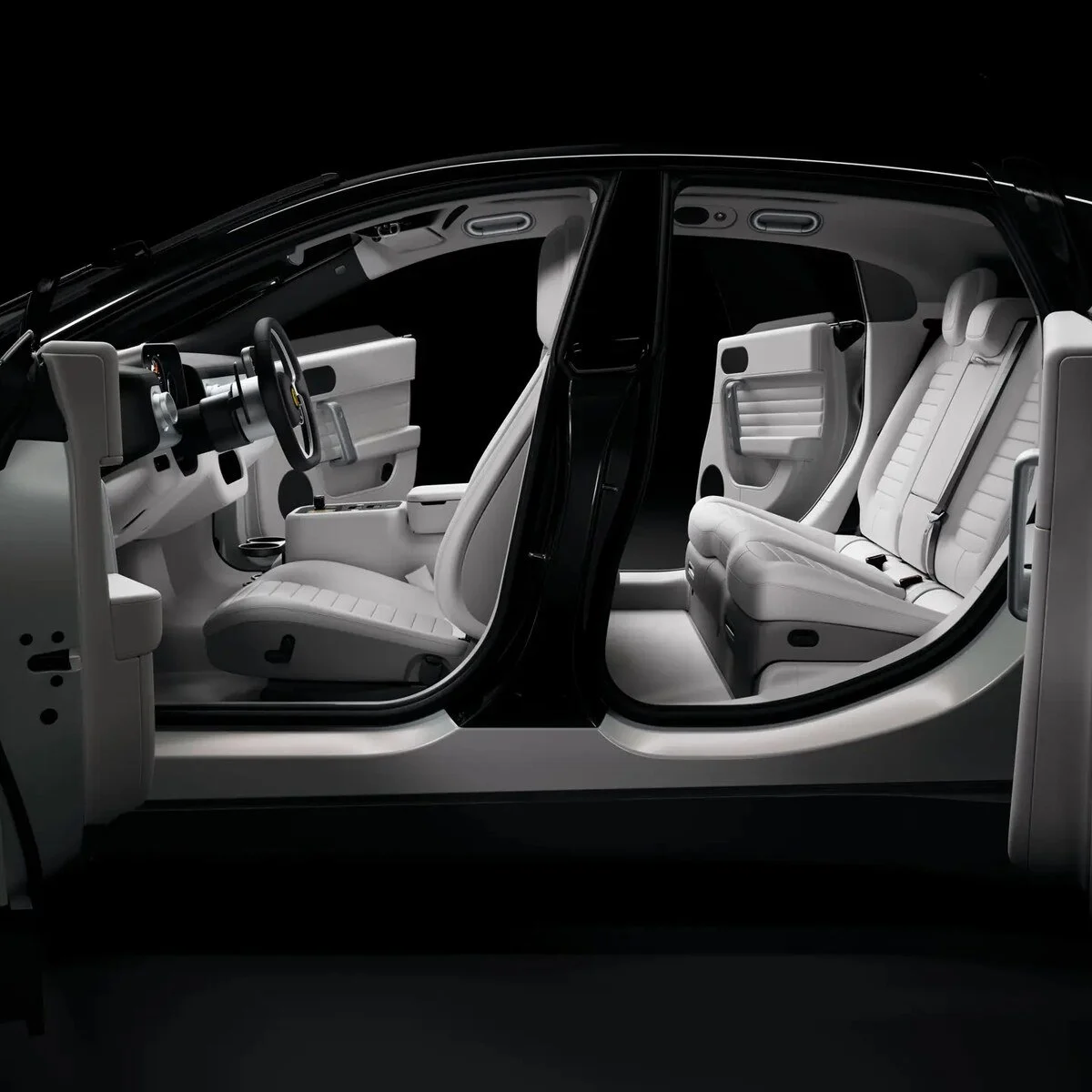
The name is Luce—not Lusso—and this was not a conventional used-car auction. The car was identified as “Chassis 0,” the first production chassis of the Ferrari Luce program. It was created through Ferrari’s Tailor Made division, and the buyer’s premium was waived. Ferrari committed the proceeds to educational initiatives through the Ferrari Foundation.
The specification was appropriately singular. RM Sotheby’s described a Madreperla semi-gloss exterior capable of shifting from green to violet depending on the light, paired with Perla Le Mans metallic leather and bespoke details developed specifically for the car.
The number is extraordinary, but the context is what makes it interesting. The buyer was not only paying for a vehicle. They were paying for primacy, access, customization, provenance and participation in a charitable moment.
That is often what the highest end of the collector market is really selling. Rarity alone is not enough. The story has to be impossible to reproduce.
And the Luce was not technically the most expensive auction car of the week. A 1964 Shelby Cobra Daytona Coupe sold through Gooding Christie’s for nearly $43 million, becoming the most valuable American car ever sold at auction.
Those two results—one representing a new electric Ferrari and the other an American competition icon—perfectly captured the tension running through Monterey: the future and the past competing for the same attention.
Pebble Beach Concours d’Elegance: The Lawn Where History Is Judged
If The Quail is theater, Pebble Beach is ceremony.
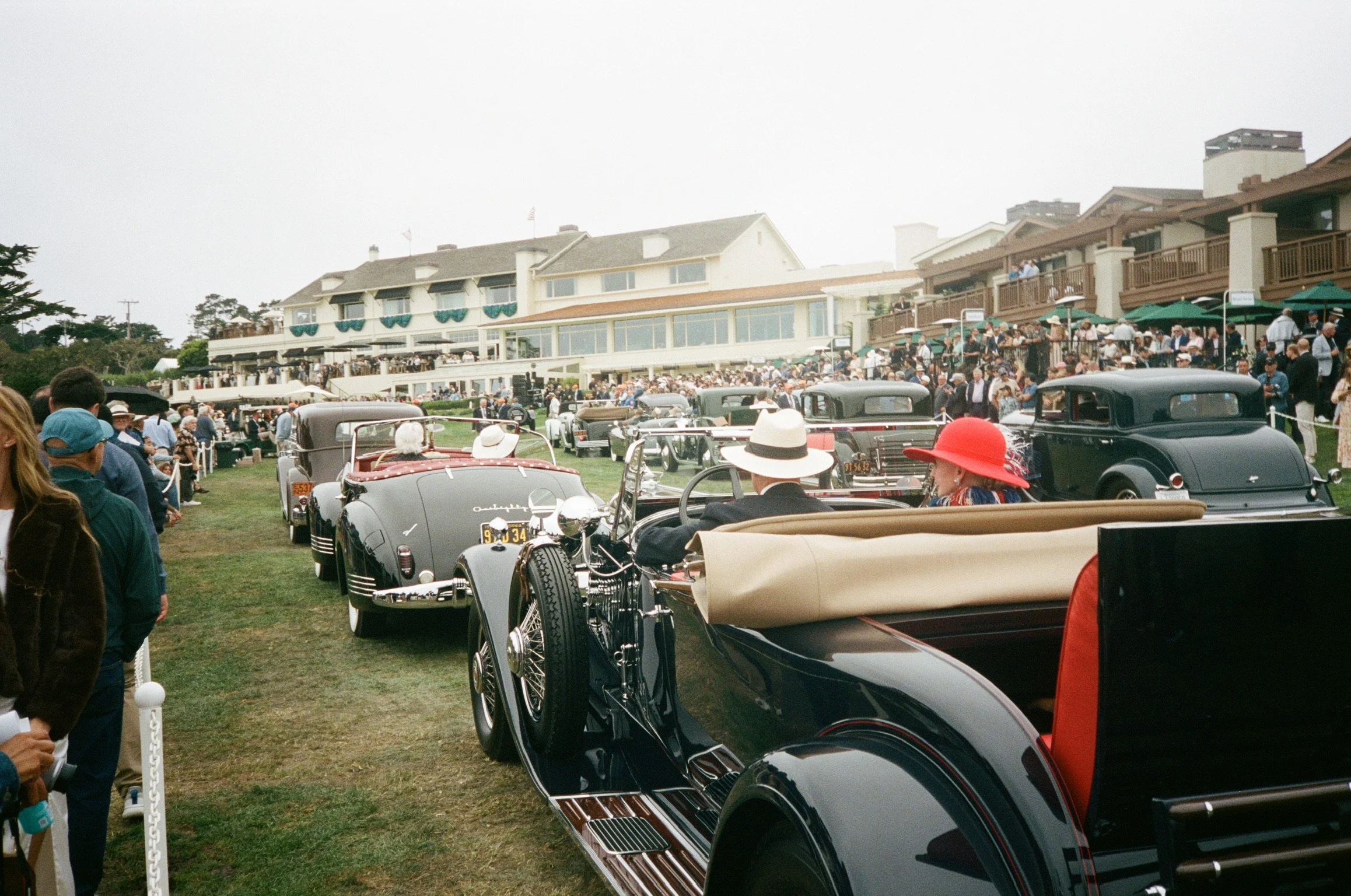
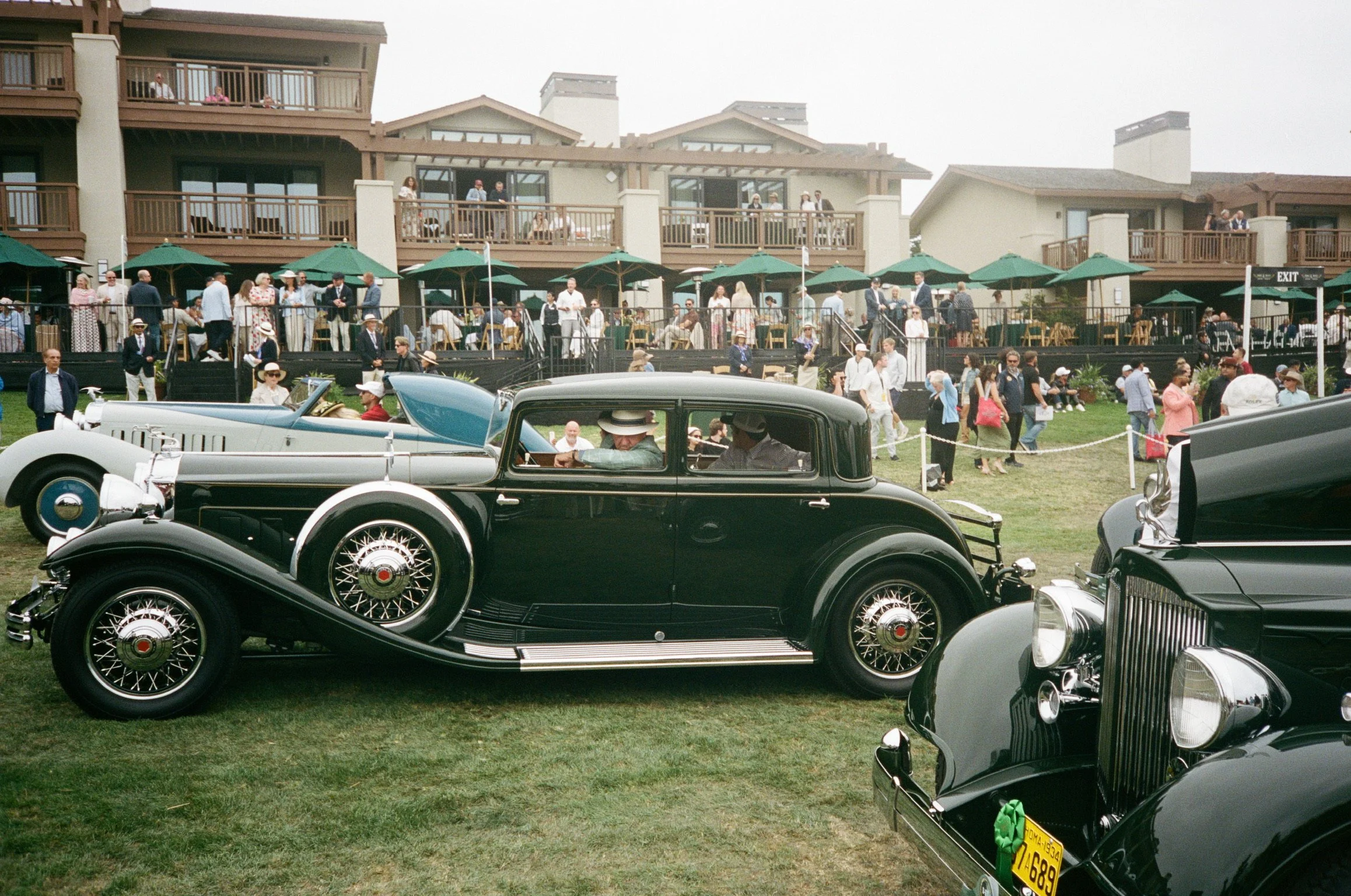
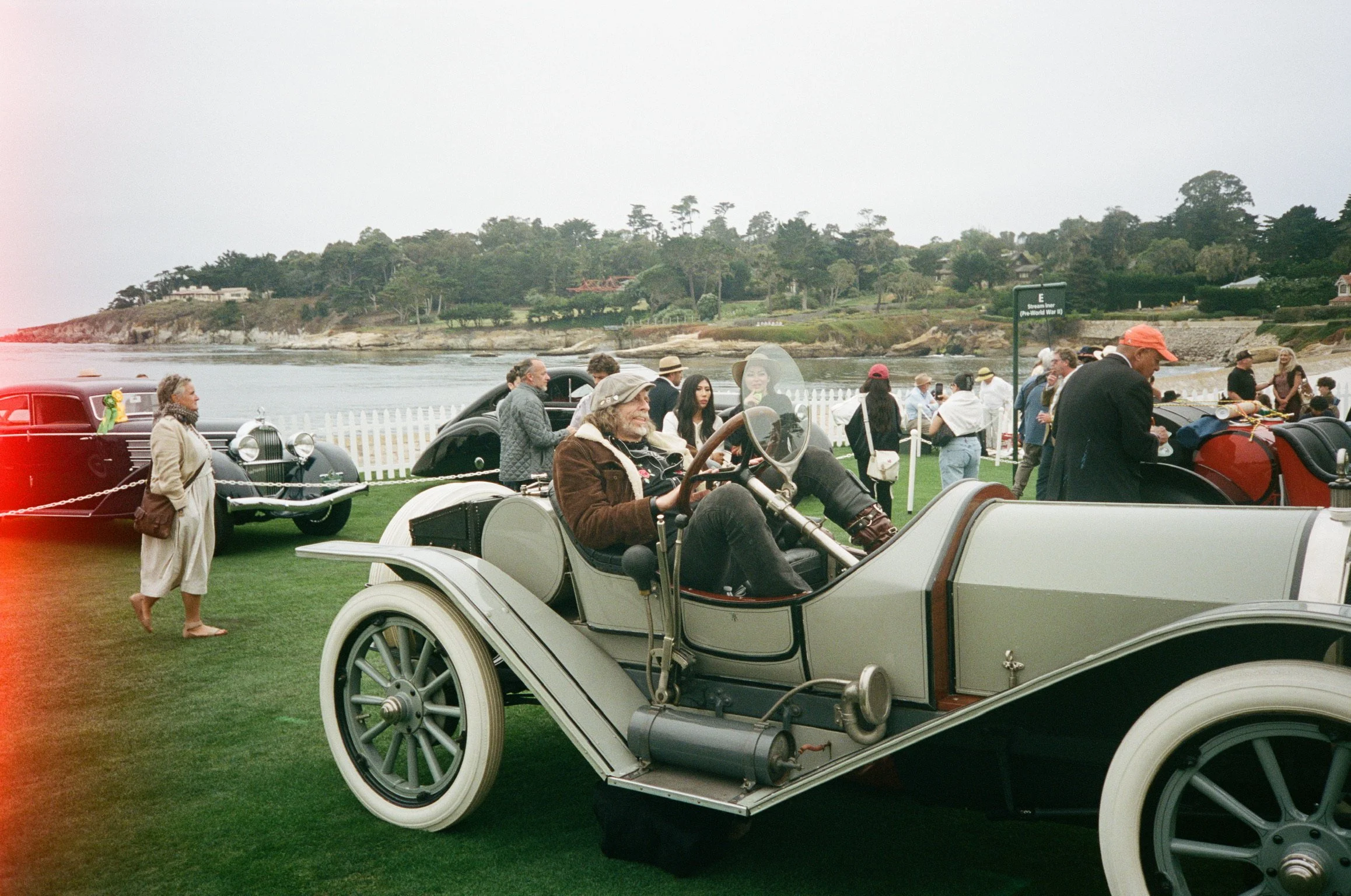
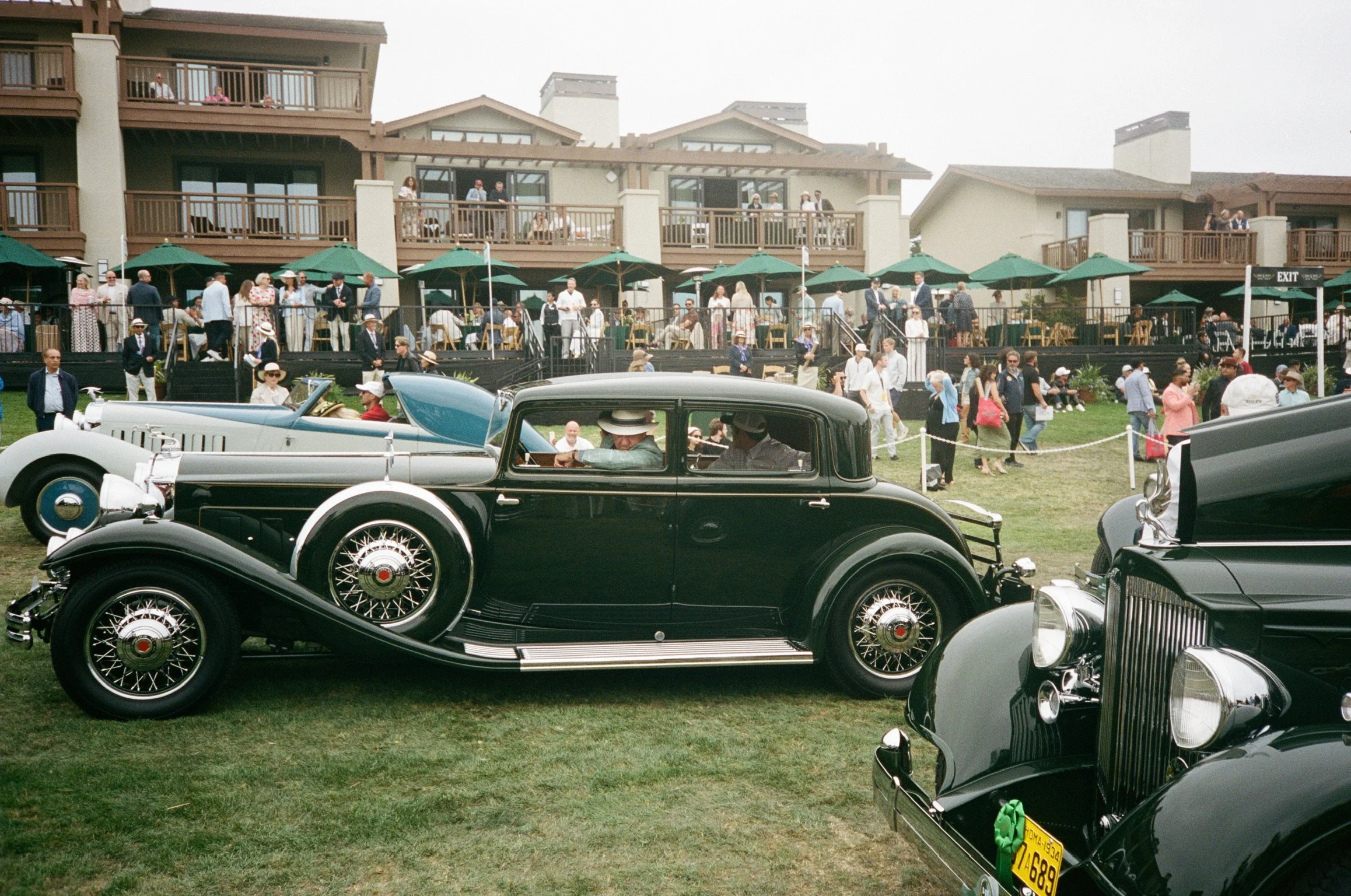
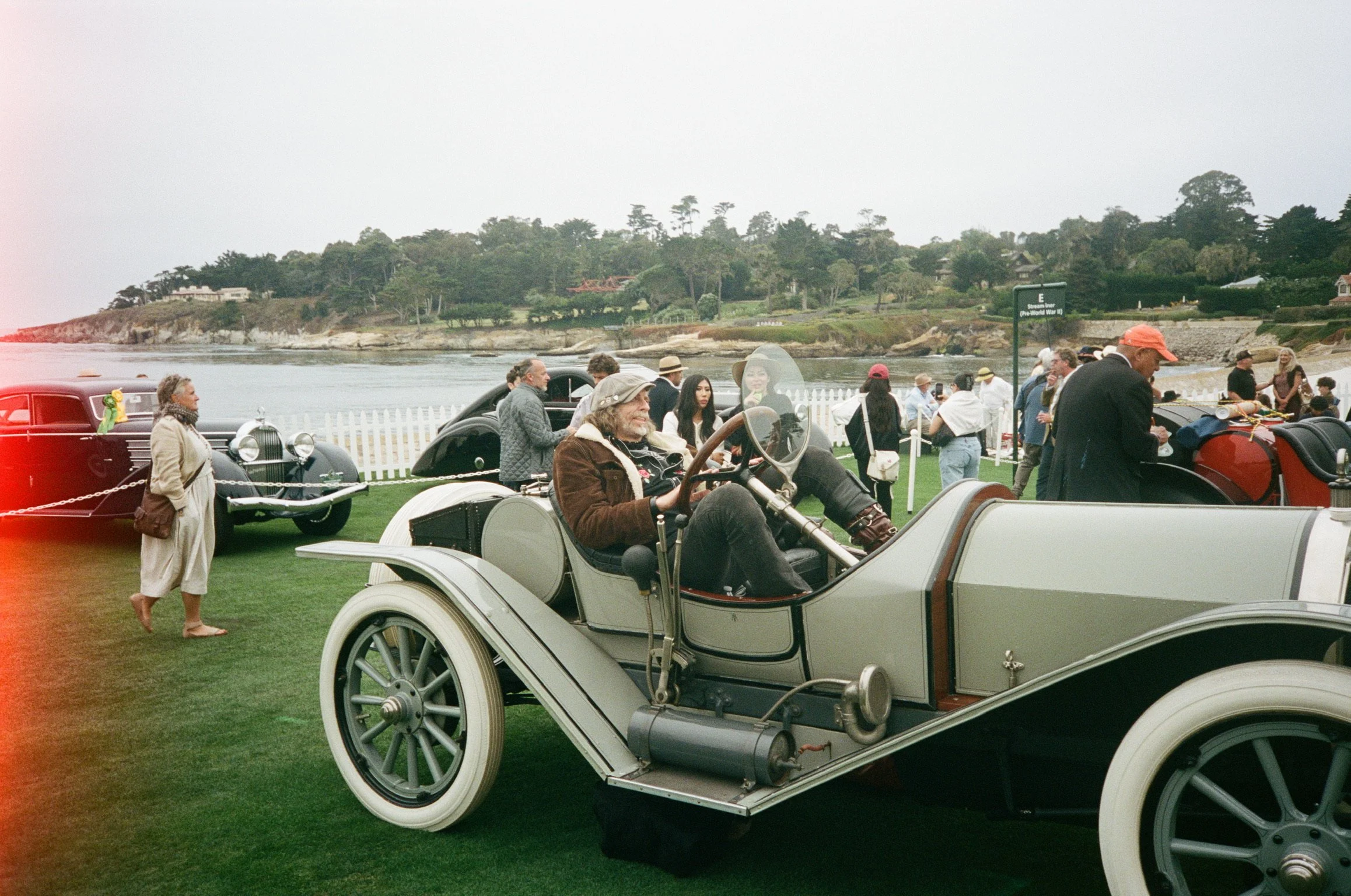
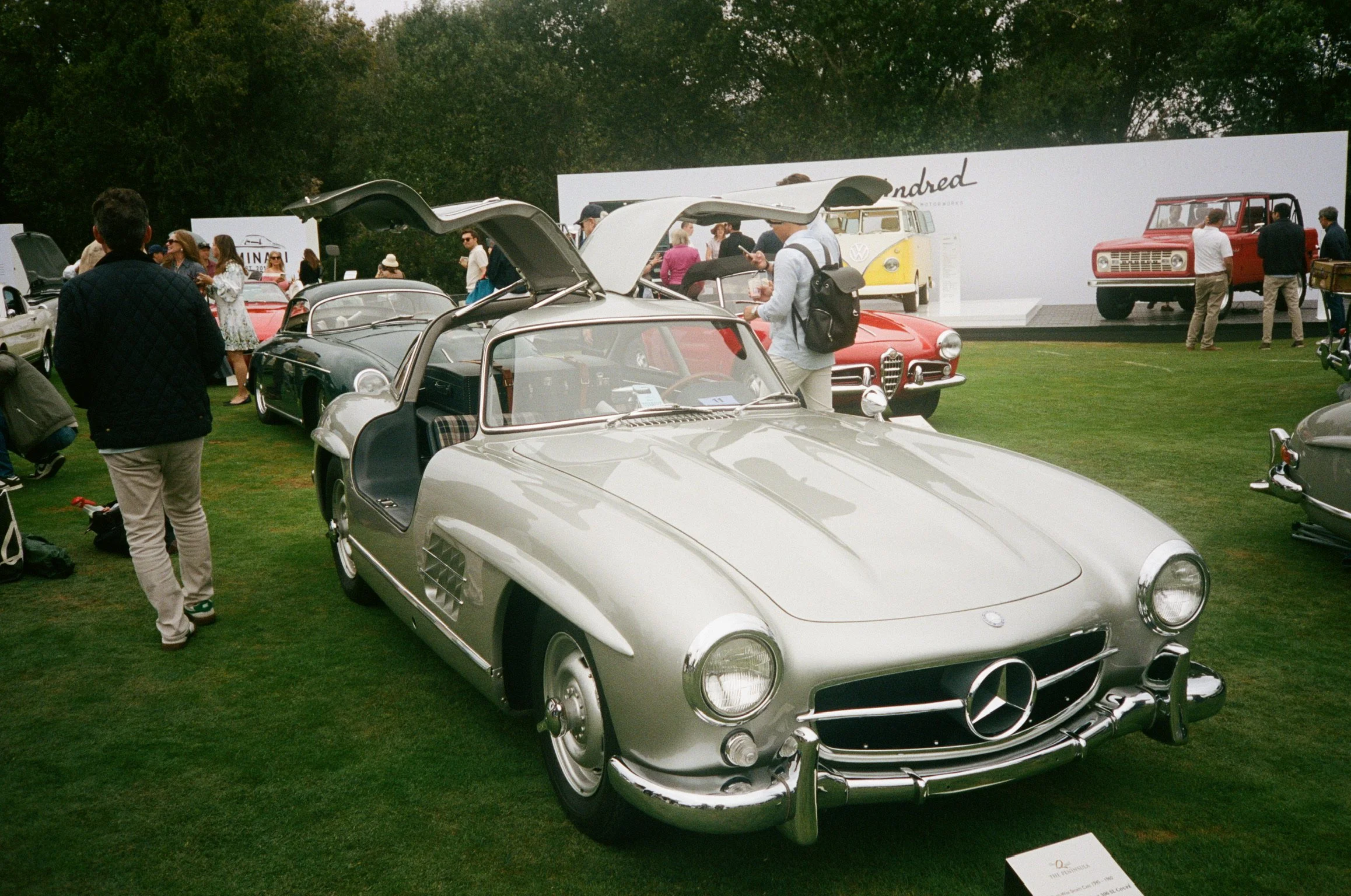
The Concours d’Elegance takes place on the 18th fairway of Pebble Beach Golf Links, where the setting alone would be enough to make almost anything feel important. But the cars on the lawn are not simply expensive. They are selected for their design, history, condition and cultural significance.
Walking the lawn changes the way you look at automotive history. Details that can seem decorative in photographs become structural in person: the sweep of a fender, the proportion between the hood and cabin, a line of chrome or the way leather and wood were used before efficiency became the dominant design language.
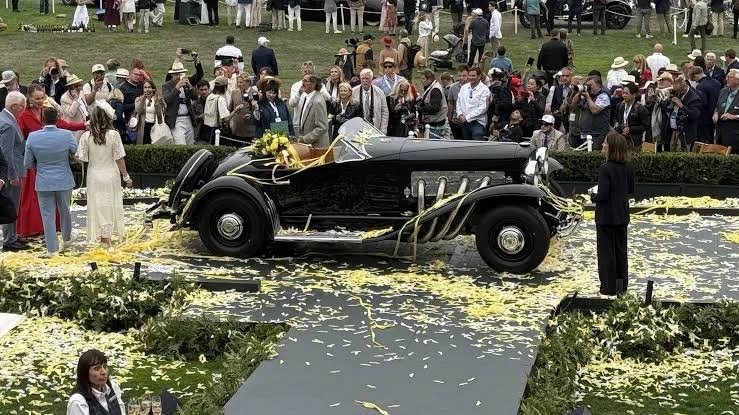
The 2026 Best of Show award went to a 1935 Duesenberg SSJ Special Speedster shown by Harry Yeaggy. The car was originally owned by Clark Gable and is one of only two SSJ Special Speedsters built. Restored to its initial presentation, it wore black lacquer over a light saddle leather interior.
It was an appropriately dramatic winner for the 75th Pebble Beach Concours. The SSJ combines the two qualities that seem to matter most on that lawn: undeniable elegance and a story larger than the machine itself.
Standing there, it becomes easy to understand why these cars survive. They are not preserved only because they are valuable. They are valuable because people decided their stories, design and craftsmanship were worth preserving.
What Monterey Car Week Is Really About
It would be easy to reduce Monterey Car Week to money.
There are cars worth tens of millions of dollars, private events, impossible reservations and people whose collections could fill museums. But concentrating only on wealth misses what makes the week compelling.
Monterey is about obsession.
It is the designer who notices a surface most people would overlook. The collector who spends years tracing a chassis. The restorer recreating a material no longer produced. The engineer extracting another fraction of performance. The person who chooses a jacket, watch or automobile because the details mean something to them.
Experiencing the week with Cadillac made that especially clear. From the Formula 1 car to the V-ONE and the atmosphere of the Cadillac Villa, the brand presented a version of American luxury that felt connected to both culture and competition.
The Quail showed where design might go next. Pebble Beach demonstrated why the best examples of the past still matter. The auctions revealed what happens when rarity, narrative and access collide.
And somewhere between all of it—between a champagne glass on a lawn, an 830-horsepower concept and a Duesenberg once owned by Clark Gable—you begin to understand why people return every year.
Car Week is not only about seeing cars.
It is about seeing what people are willing to imagine, build, preserve and pursue.
Thank you to Cadillac for hosting me and giving me the opportunity to experience Monterey Car Week from inside its world.
Frequently Asked Questions
What is Monterey Car Week?
Monterey Car Week is a series of automotive events held across California’s Monterey Peninsula each August. It includes concours events, manufacturer reveals, historic racing, auctions, private gatherings and shows, culminating in the Pebble Beach Concours d’Elegance.
What is The Quail, A Motorsports Gathering?
The Quail is an exclusive automotive gathering held at Quail Lodge & Golf Club in Carmel. It combines significant historic cars, modern manufacturer debuts, hospitality and curated displays in an open-air setting.
What did Cadillac reveal during Monterey Car Week 2026?
Cadillac revealed the V-ONE Concept, a single-seat track concept based on the engineering foundations of the V-Series.R endurance race car. The hybrid V-8 powertrain produces a combined 830 horsepower.
Is Cadillac competing in Formula 1?
Yes. Cadillac entered Formula 1 in 2026 as the championship’s 11th team, with Valtteri Bottas and Sergio Pérez driving in its inaugural season.
Which Ferrari sold for $40 million at Monterey Car Week 2026?
The 2026 Ferrari Luce “Tailor Made,” identified as Chassis 0, sold for $40 million through RM Sotheby’s. Ferrari committed the proceeds to educational initiatives through the Ferrari Foundation.
What car won the 2026 Pebble Beach Concours d’Elegance?
The 1935 Duesenberg SSJ Special Speedster originally owned by Clark Gable won Best of Show at the 75th Pebble Beach Concours d’Elegance.
SOURCES TO LINK IN THE ARTICLE
Cadillac V-ONE specifications and reveal: https://www.imsa.com/news/2026/08/14/cadillac-unveils-v-one-concept-in-monterey/
Cadillac 2026 Formula 1 livery and team information: https://www.formula1.com/en/latest/article/first-look-cadillac-reveal-their-debut-livery-for-2026-f1-season-during.5VOzXbVmuWE73B0e4Qvq1t
Ferrari Luce auction result: https://rmsothebys.com/auctions/mo26/lots/r0150-2026-ferrari-luce-tailor-made/
Pebble Beach Best of Show and 2026 results: https://www.pebblebeachconcours.net/media-press/duesenberg-ssj-special-speedster-named-best-of-show-at-the-75th-pebble-beach-concours-delegance/